
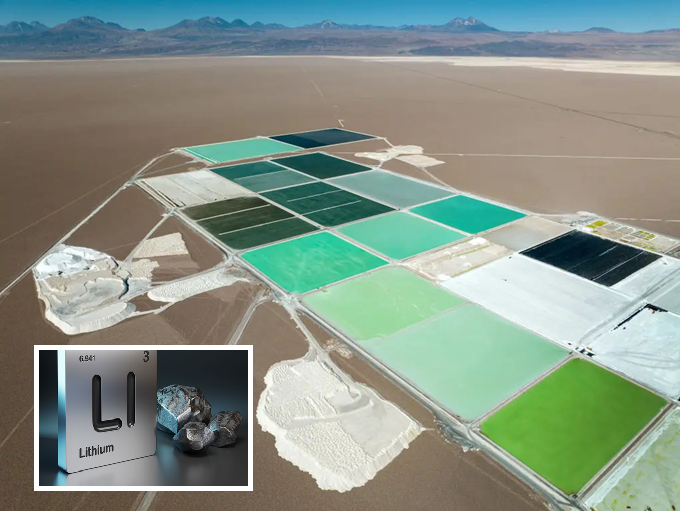
- Lithium has quickly become one of the most important minerals for geopolitics in the twenty-first century.
- The huge salt flats that used to be thought of as inaccessible and economically unimportant areas in the high Andes have now become very important to global energy politics.
- A geopolitical conflict is growing in South America, and the stakes are nothing less than who will control the minerals that will power the global economy in the future.
- In the last fifteen years, Chinese companies have put a lot of money into lithium extraction operations in Chile and Argentina.
People often refer to the global transition to renewable energy as a “technological revolution.” Electric cars, large-scale battery storage, and renewable energy systems will likely change how economies operate and how governments ensure sufficient power. But there is a quieter but just as important change happening behind all this technological upheaval: the rise of new strategic resources. Lithium has quickly become one of the most important minerals for geopolitics in the twenty-first century.
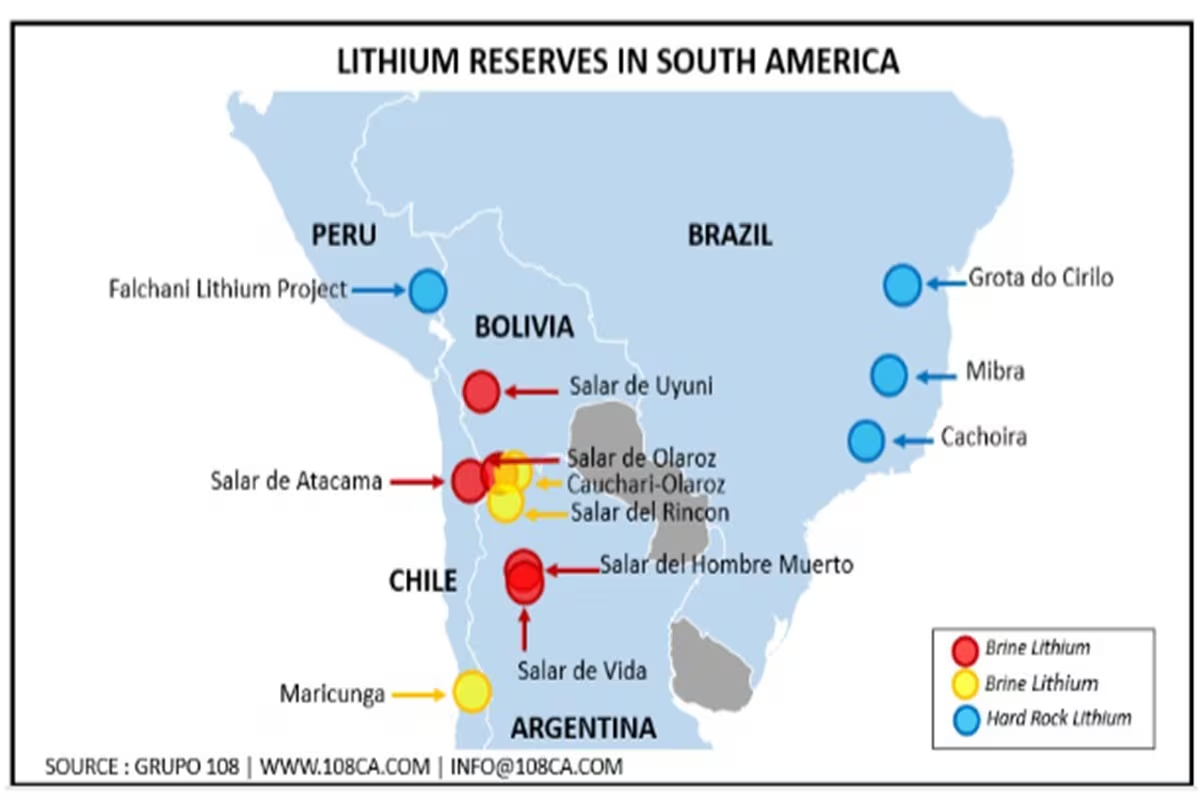
Lithium is needed to make rechargeable batteries that power electric cars, renewable energy storage systems, smartphones, and other digital devices. The need for lithium has grown a lot as countries have sped up their plans to get rid of fossil fuels and move away from them. This sudden rise in demand has made some areas of the world very important from a strategic point of view. The “Lithium Triangle” in South America, which includes Argentina, Bolivia, and Chile, is the best example of this.
More than half of the world’s known lithium deposits are in this area. The huge salt flats that used to be thought of as inaccessible and economically unimportant areas in the high Andes have now become very important to global energy politics. Managing resources in these areas is no longer just a matter of domestic policy. It has turned into a way for governments, multinational companies, and local communities to compete with each other around the world.
The Geography of Lithium Energy
Lithium mining in South America is very different because of where it is located. Australia’s hard-rock lithium mining is different from the Lithium Triangle, where lithium is found in brine deposits below salt flats called salars. Some examples are Salar de Atacama in Chile, Salar de Uyuni in Bolivia, and Salar del Hombre Muerto in Argentina.
A lot of lithium-rich brine is pumped to the surface and left to evaporate in big man-made ponds. This is how people get lithium out of the ground. Lithium compounds build up over time and turn into things that can be used to make batteries. This method is cheaper than hard-rock mining, which is why South America is one of the best places in the world to get lithium.
In the last ten years, this area has become much more important for military reasons. In the next few decades, the demand for lithium around the world is likely to skyrocket as more people in Europe, China, and North America buy electric cars. Because of this, businesses and governments that want to be leaders in the growing clean energy industry need to make sure that lithium resources are safe to get to. A lot of competition between powerful countries in the lithium sector.
Lithium’s rising importance has brought important geopolitical forces to the area. Of all of them, China has the most people. In the last fifteen years, Chinese companies have put a lot of money into lithium extraction operations in Chile and Argentina. Chinese businesses have also tried to work with Bolivia, which has the world’s largest known lithium reserves but hasn’t been able to make money off of them.
China’s interest in lithium is part of a bigger plan for its industries. The country makes the most batteries and electric cars in the world. By getting access to lithium resources in other countries, Chinese companies are tightening their control over the entire battery supply chain, from mining to making the final product.
This move has people in Western capitals worried. Lithium is becoming more and more important to the US and the EU for both national security and keeping their economies strong. People are looking for new sources of lithium because they are worried that supply chains will rely too much on Chinese processing plants.
Because of this, Lithium is becoming more and more important to the US and the EU for both national security and keeping their economies strong. People are looking for new sources of lithium because they are worried that supply chains will rely too much on Chinese processing plants.
Because of this, governments in the West are trying to work more closely with lithium producers in Latin America. To help electric vehicles spread around the world without relying only on Chinese industrial infrastructure, new supply networks are being built through diplomacy, investment programs, and trade agreements. Companies in the West are trying to work more closely with lithium producers in Latin America. To help electric vehicles spread around the world without relying only on Chinese industrial infrastructure, new supply networks are being built through diplomacy, investment programs, and trade agreements.
A geopolitical conflict is growing in South America, and the stakes are nothing less than who will control the minerals that will power the global economy in the future.
Politics of Extractivism and Resource Sovereignty
As world powers fight over lithium, governments in the Lithium Triangle are getting more and more worried about how to make sure that their resources help their countries in the long run. This has brought back long-running arguments in Latin America about who owns resources and how extractive industries affect the economy. Bolivia is the most extreme example of this method. The Bolivian government has always said that lithium should not be sent out of the country as a raw material. Instead, officials have tried to create a lithium industry in the country that can make batteries and other valuable goods. The plan is part of a bigger goal to stop Latin American countries from exporting raw materials and getting industrial value abroad, even though progress has been slow because of technological and infrastructure issues.
Chile, which is one of the world’s biggest lithium producers, is also thinking about changing its rules. Recent political debates have focused on the government getting more involved in lithium production to make sure that profits are shared more fairly and that the environment is better protected.

Anusreeta Dutta is a columnist and climate researcher with experience in political analysis, ESG research, and energy policy. Views expressed are the author’s own.
 Aayush Pal
  Divyanka Tandon