
 Aayush Pal
  Piyush Anand
  Parag Gilada
  Archita Gaur
  Kumar Satish
  Rajeev KS
  Shivendra Shukla
  Pranav S
  Hridbina Chatterjee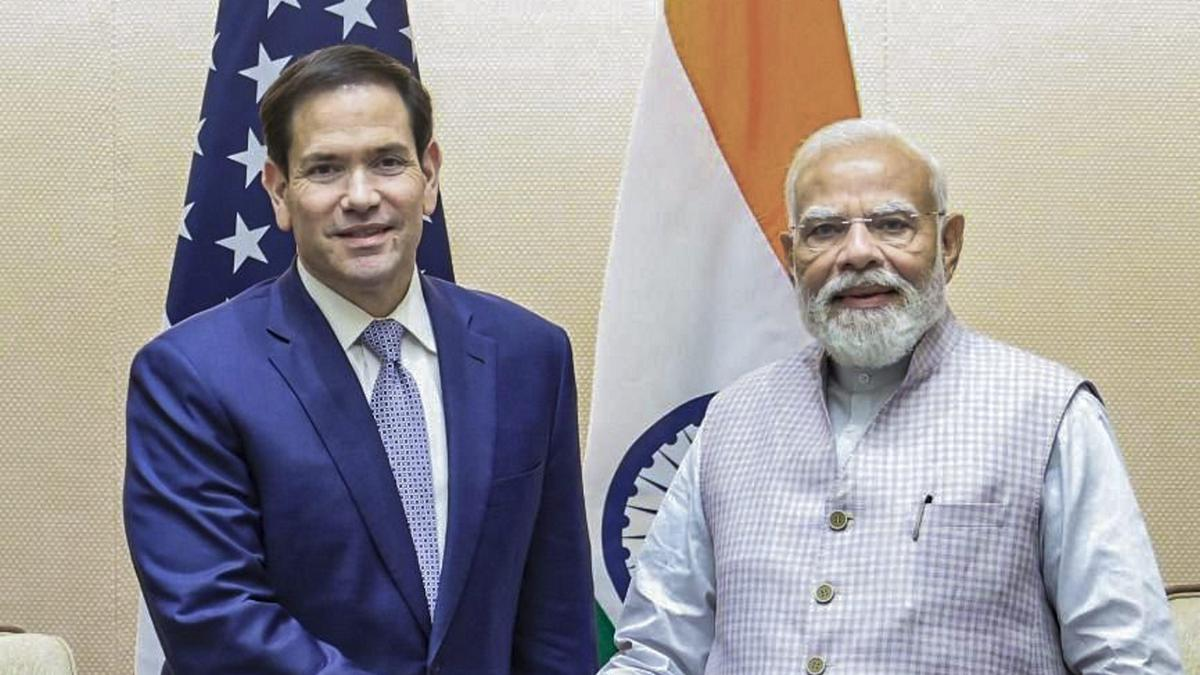
The visit highlights a central contradiction in contemporary American foreign policy: Washington seeks to pressure India over its engagement with Russia while simultaneously navigating its own energy...
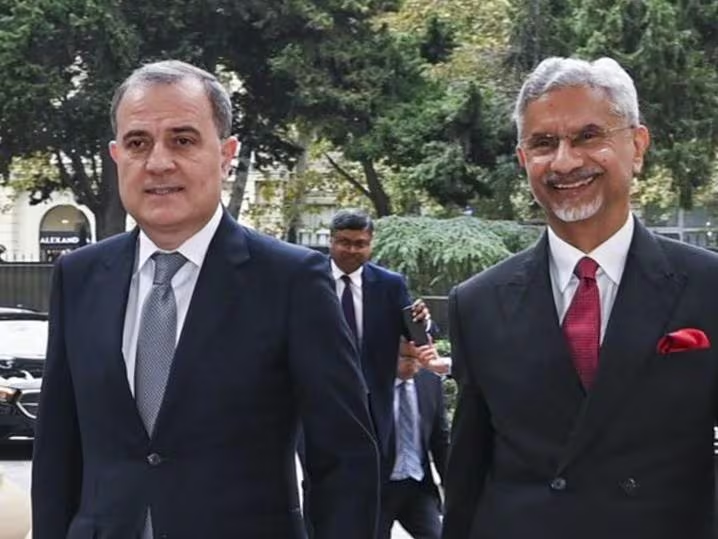
The visit by Jaishankar to Azerbaijan is thus an important occasion not only from a diplomatic point of view but also as an occasion to enhance economic relations and reconcile political differences...

The simultaneous emergence of these movements raises a fundamental question: have protests become a pretext for political actors to advance their interests across countries, and who ultimately...
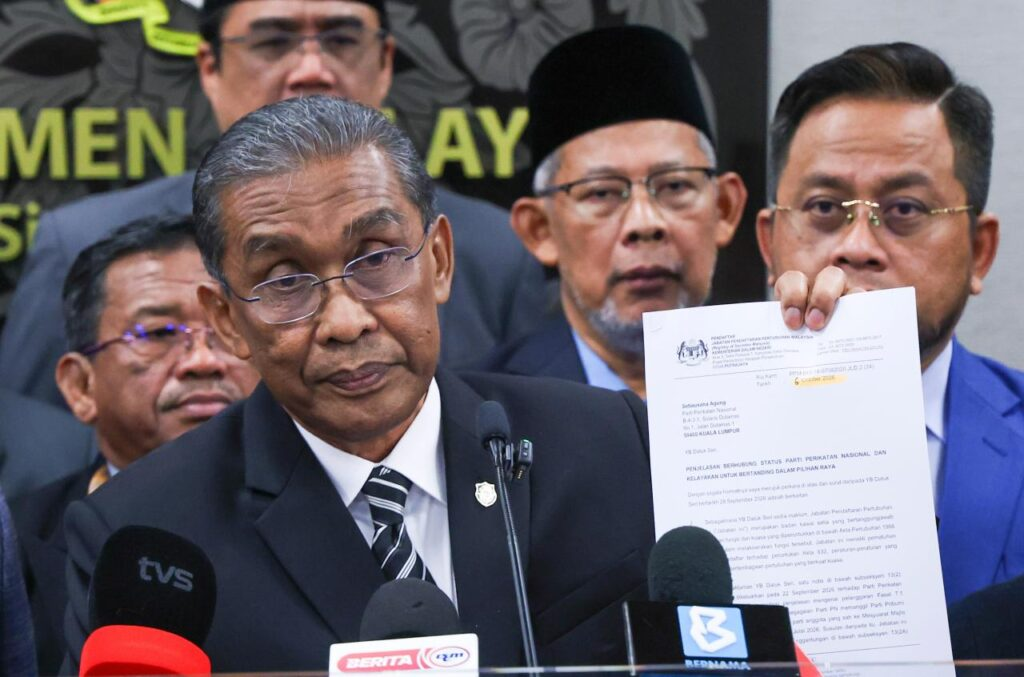
The cancellation of the registration of Perikatan Nasional (PN), the largest opposition coalition in Malaysia, due to disagreements between PAS, a conservative Islamic party, and the nationalist party...
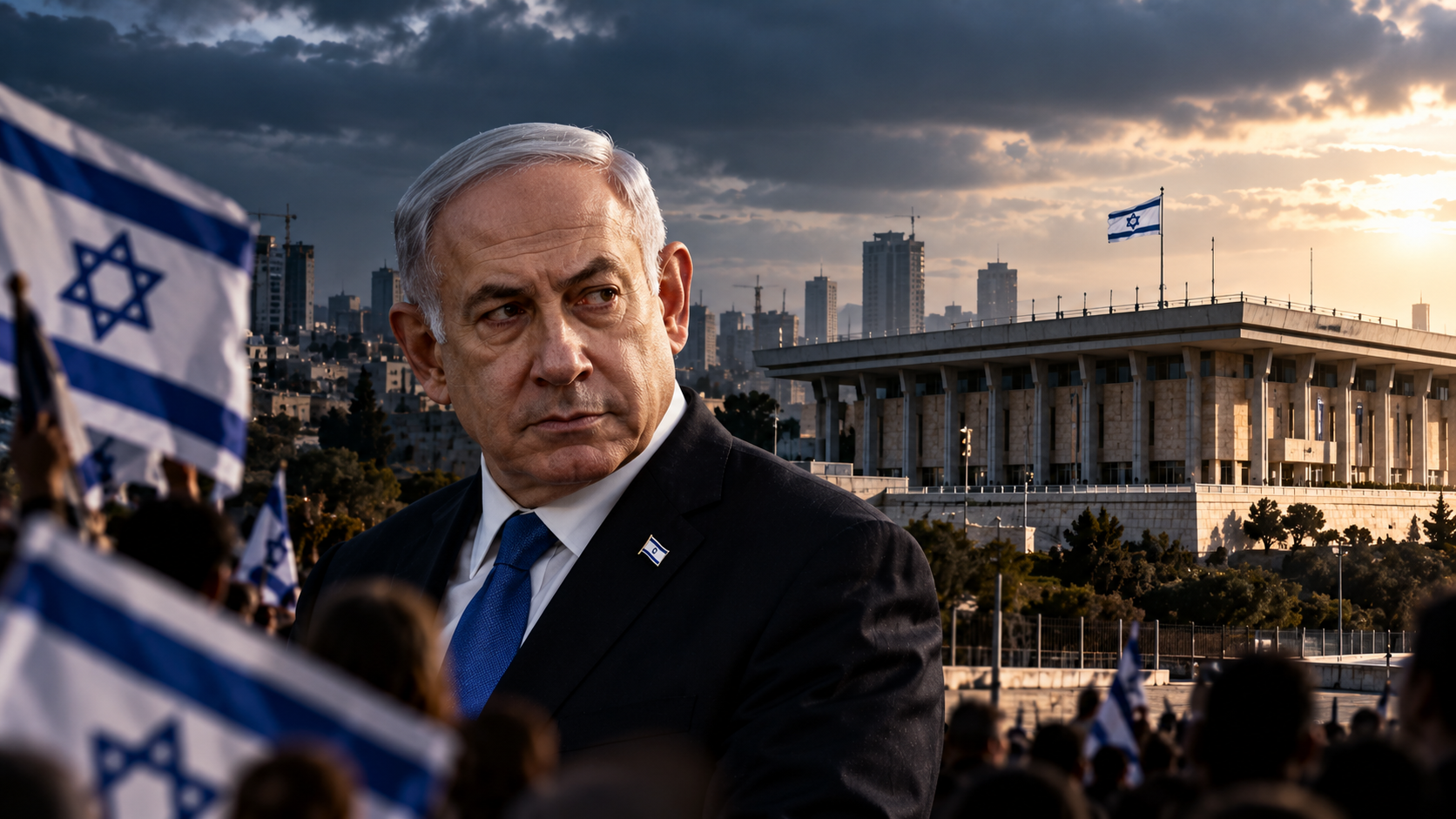
The parliamentary elections will consequently serve as an important test of whether Netanyahu can retain the political support necessary to continue governing...

Rising maritime insurance premiums, higher freight rates, tighter credit conditions and the withdrawal of commercial coverage can make a shipping route economically unviable long before it becomes...
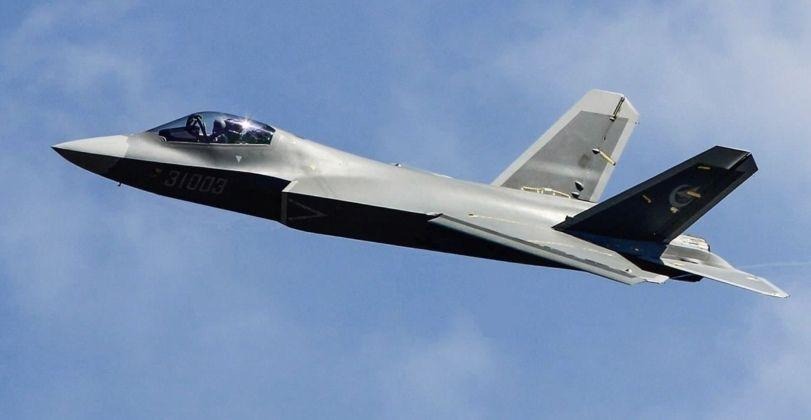
The number of operational fighter squadrons for the Indian Air Force (IAF) in 2026 has been brought down to 29, which falls short of the sanctioned number of 42.5 squadrons...

The Supreme Court of Saudi Arabia’s move to quash the death penalty issued against Anojan Sivarasa, a migrant worker from Sri Lanka, is an important diplomatic achievement for Colombo...

The decision by China to impose sanctions against the foreign ministers of Belize and Paraguay over their diplomatic engagements with Taiwan has led to increased geopolitical tension between Beijing...