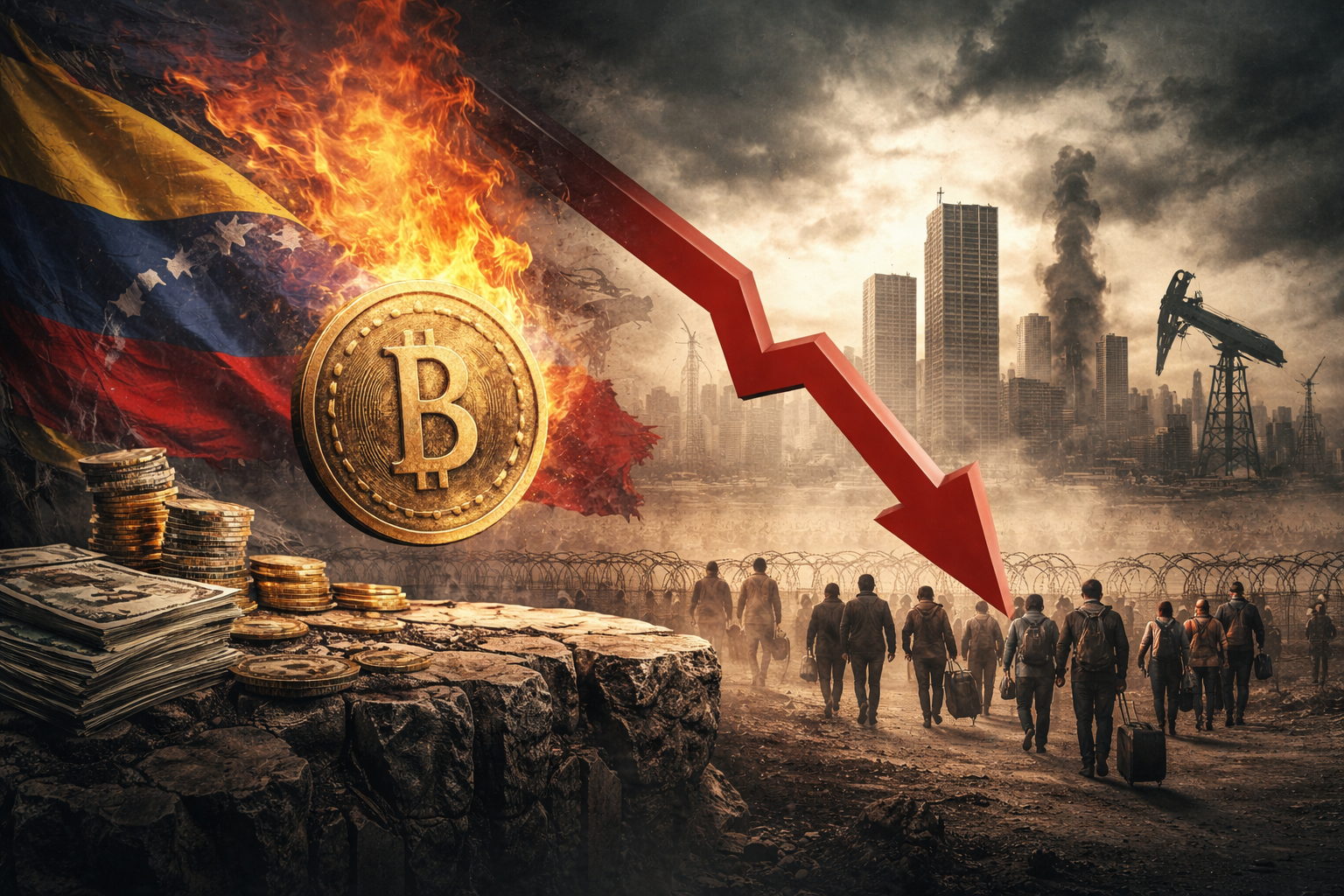
- The International Monetary Fund (IMF) described Venezuela’s economic and humanitarian situation as ‘quite fragile’, citing an estimated inflation rate in the triple digits and a rapid depreciation of the currency.
- Socioeconomic conditions remain extremely difficult, eroding purchasing power and dampening prospects for ordinary Venezuelans.
- The IMF’s assessment highlights the immediate need for coordinated domestic reforms and international cooperation to prevent further deterioration and promote long-term stability.
The International Monetary Fund (IMF) described Venezuela’s economic and humanitarian situation as “quite fragile”, citing an estimated inflation rate in the triple digits and a rapid depreciation of the currency.
IMF spokesperson Julie Kozack emphasised that socioeconomic conditions remain extremely difficult, eroding purchasing power and dampening prospects for ordinary Venezuelans. She said that “Venezuela is undergoing a severe and prolonged economic and humanitarian crisis”. The currency’s swift devaluation has made imports more expensive and further reduced living standards. According to the IMF, Venezuela’s public debt now sits at roughly 180 per cent of GDP, even before accounting for potential arbitration or court rulings tied to previous defaults.
For more than a decade, Venezuela has struggled with policy missteps, heavy reliance on oil revenues, widespread corruption, and the collapse of industries beyond the energy sector. Such deep-rooted problems have fuelled mass migration, with around a quarter of the population, or roughly 8 million people, having left the country since 2014, contributing to labour shortages and shrinking domestic demand.
The IMF’s relations with Caracas have been largely dormant; it has not conducted formal assessments since 2004 and has had no official engagement since 2019. Political tensions and disputes over leadership legitimacy have stalled meaningful dialogue. The IMF states it continues to monitor developments but would need a clear directive from its member countries and formal recognition of Venezuela’s government before it could consider re-engaging.
In recent weeks, Venezuela’s political landscape has changed significantly after United States forces captured President Nicolás Maduro in early January, leading to Vice President Delcy Rodríguez being appointed interim president by the country’s Supreme Tribunal of Justice. Since assuming power, Rodríguez has initiated several policy changes, including signing an amnesty law that could lead to the release of hundreds of political prisoners, steps that have sparked debate both within Venezuela and internationally.
At the same time, international officials have indicated that if a clearly recognised government is established and economic reforms are pursued, the country could regain access to about $4.9 billion in Special Drawing Rights (SDRs) currently held by the International Monetary Fund, funds that have remained inaccessible since ties were suspended amid disputes over leadership recognition. SDRs are reserve assets whose value is based on a basket of five currencies: the US dollar, the euro, the Chinese renminbi, the Japanese yen, and the British pound sterling.
Humanitarian needs remain urgent. The IMF’s assessment highlights the immediate need for coordinated domestic reforms and international cooperation to prevent further deterioration and promote long-term stability.

Anshika Agrawal is a research scholar at the Centre for Russian and Central Asian Studies, Jawaharlal Nehru University, with a strong interest in current affairs, bilateral and multilateral relations, and public policy. Views expressed are the author’s own.
 Daljeet Singh
  Archita Gaur
  Anusreeta Dutta