
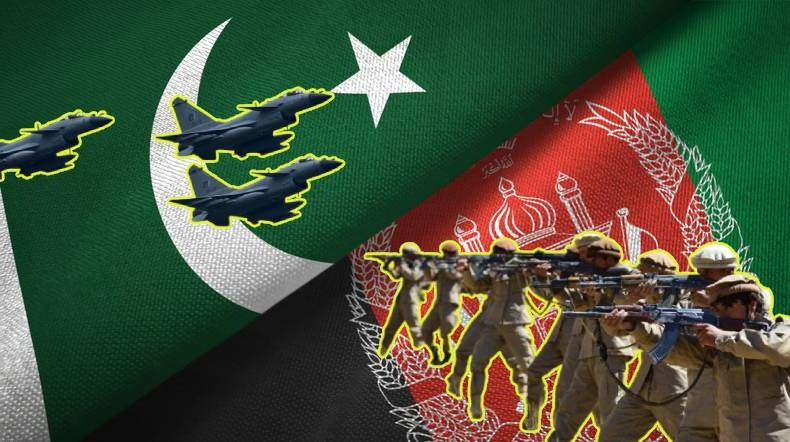
- Pakistan’s cross-border airstrikes in Afghanistan during Ramadan and the Baloch Liberation Army’s hostage video have sharply escalated tensions, raising fears of a broader regional conflict.
- Islamabad claims its operations targeted TTP and ISKP militant hideouts, while Kabul has condemned the strikes as violations of sovereignty and vowed retaliation.
- With militant groups intensifying pressure inside Pakistan and diplomatic channels weakening, analysts warn that the Afghanistan-Pakistan border could once again become a flashpoint for regional instability.
A series of military escalations between Pakistan and Afghanistan during the holy month of Ramadan has raised fears of a broader regional conflict, even as militant groups intensify pressure on Islamabad. The events come after Pakistan launched cross-border airstrikes and the Baloch Liberation Army (BLA) launched a new propaganda campaign, releasing a video allegedly showing captured Pakistani soldiers begging for assistance.
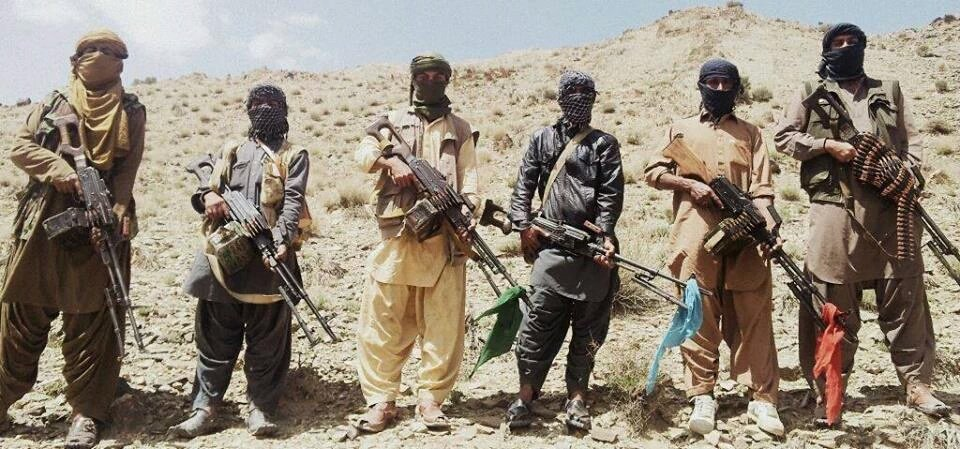
Members of Pakistan’s security personnel are purportedly seen in the film, which was shared by the BLA’s media wing, identifying themselves by name, unit, and service number while pleading with their superiors to recognise their detention. One soldier asked why, despite their official identification papers, the army had supposedly abandoned them. The terrorist organisation asserts that the troops were taken prisoner during the second stage of what it refers to as “Operation Herof.”
The BLA had already warned Islamabad that if the government did not agree to a prisoner exchange within seven days, seven jailed individuals may be executed. After being identified as ethnic Baloch associated with local police forces, 10 of the 17 security men who had been first held in various locations were later released, the group claims.
According to the separatist group, the remaining inmates were prosecuted before what it called a “Baloch National Court” and charged with participating in activities against civilians and enforced disappearances. Although the film seems to be intended to increase pressure on Pakistan’s military establishment and raise doubts about its refusal to recognise the captured individuals, these assertions have not been independently confirmed.
While the BLA crisis is playing out at home, Pakistan has also stepped up military actions abroad. In Afghanistan, Islamabad recently launched airstrikes against alleged Tehreek-e-Taliban Pakistan (TTP) and Islamic State – Khorasan Province (ISKP) facilities. The attacks were described as “intelligence-based selective operations” against seven militant hideouts by Pakistan’s Ministry of Information and Broadcasting.
According to Pakistani officials, the step was taken in response to many recent alleged ‘terrorist acts’ that have occurred within the nation. These include attacks on military convoys in Khyber Pakhtunkhwa and a deadly suicide bombing at a Shia mosque in Islamabad on February 6 that killed dozens of worshippers and injured more than a hundred.
The Taliban leadership in Afghanistan has come under fire from Islamabad for allegedly permitting extremist organisations to freely operate from its territory. Pakistani officials assert that the militants behind the latest attacks are led by Afghan-based leadership.
Kabul, meanwhile, has pledged to retaliate and vehemently denounced the airstrikes. The defence ministry of Afghanistan declared that it would respond to what it called “violations of Afghan sovereignty” in a “measured and appropriate manner.”
Given that the strikes took place during Ramadan, which is customarily linked to self-control in cultures with a majority of Muslims, the situation has become especially delicate. Military operations during the holy month, according to critics, run the risk of escalating regional public resentment.
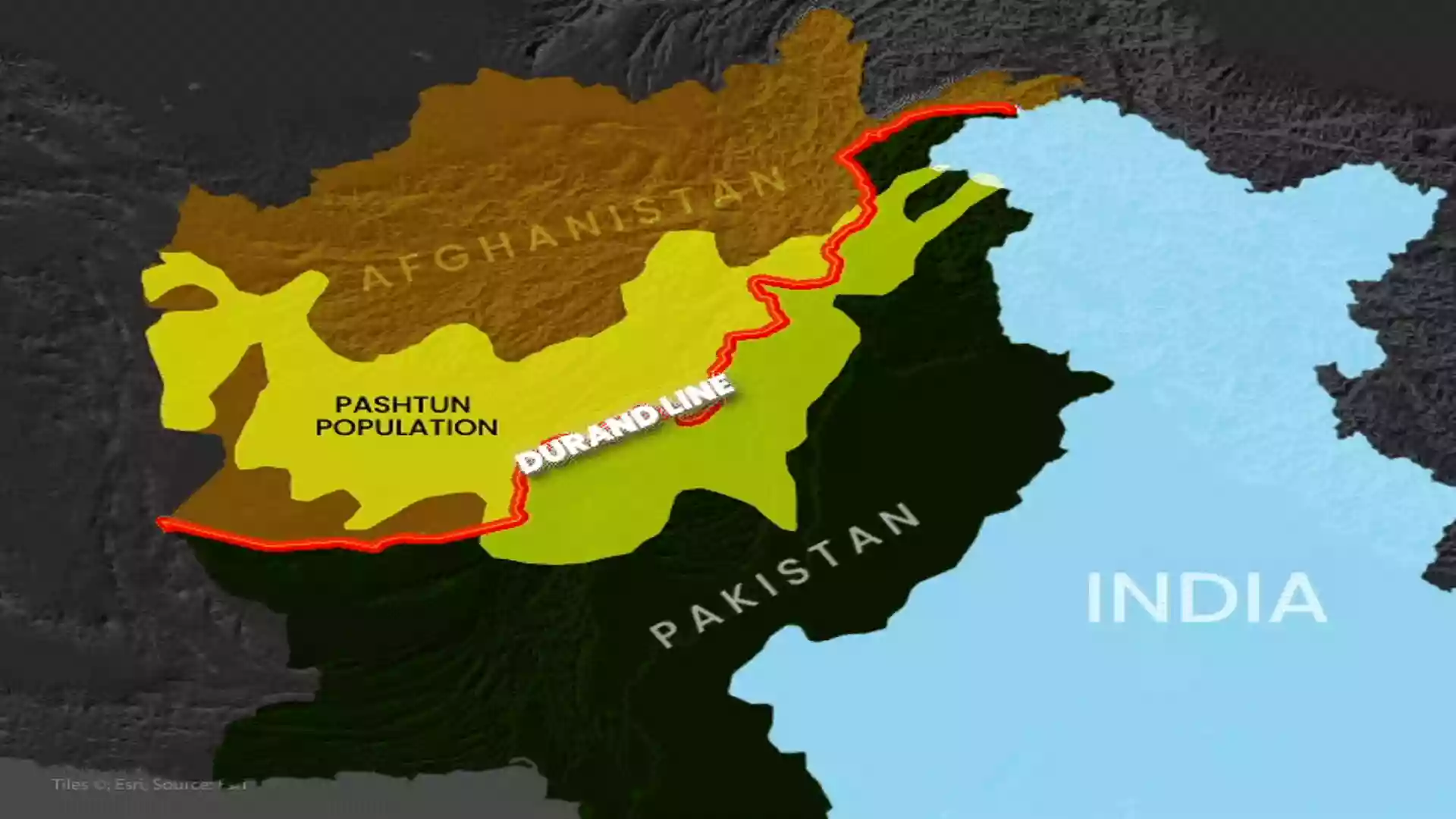
Already, border tensions have increased. In the Torkham and Tirah areas along the Pakistan-Afghanistan border, Pakistan has accused Afghan Taliban forces of starting “unprovoked firing.” Islamabad declared that its troops reacted right away and threatened to take harsh action if there was any more provocation.
Despite a ceasefire that was mediated by Qatar and Turkey in October 2025, the latest escalation has occurred. Pakistan has often accused the Taliban administration of refusing to destroy TTP bases within Afghanistan, but that arrangement failed to bring about long-term peace.
Concerns regarding the militant situation in Afghanistan have also been expressed by international security assessments. There are currently between 20,000 and 23,000 combatants from different extremist groups in the country, including many connected to the TTP, according to estimates cited by Russia’s foreign ministry. The TTP receives “preferential treatment” under the Taliban government and has increased cooperation with al-Qaida-affiliated organisations, according to a recent United Nations Security Council assessment.
Ironically, the leadership of Pakistan, which hosts the world’s most dreaded Islamic terror organisations on its soil, has alleged that Afghanistan runs the risk of becoming a hub for militants worldwide. President Asif Ali Zardari recently issued a warning, saying that the situation in Afghanistan is similar to what was in the United States before the 9/11 attacks.
Analysts caution that the region may be entering a perilous phase if cross-border strikes persist and terrorist organisations take advantage of turmoil. A wider conflict could result from the confrontation between Islamabad and Kabul if retaliatory attacks intensify or diplomatic channels break down. This could bring the unstable Afghanistan-Pakistan border back into the spotlight during one of the most delicate times of the Islamic calendar.

Anjali Singh is a postgraduate student of Political Science and International Relations, a Social Media Analyst, and a former Research Intern at the Indian Council of World Affairs. Views expressed are the author’s own.
 Anusreeta Dutta
  Aayush Pal
  Hridbina Chatterjee