
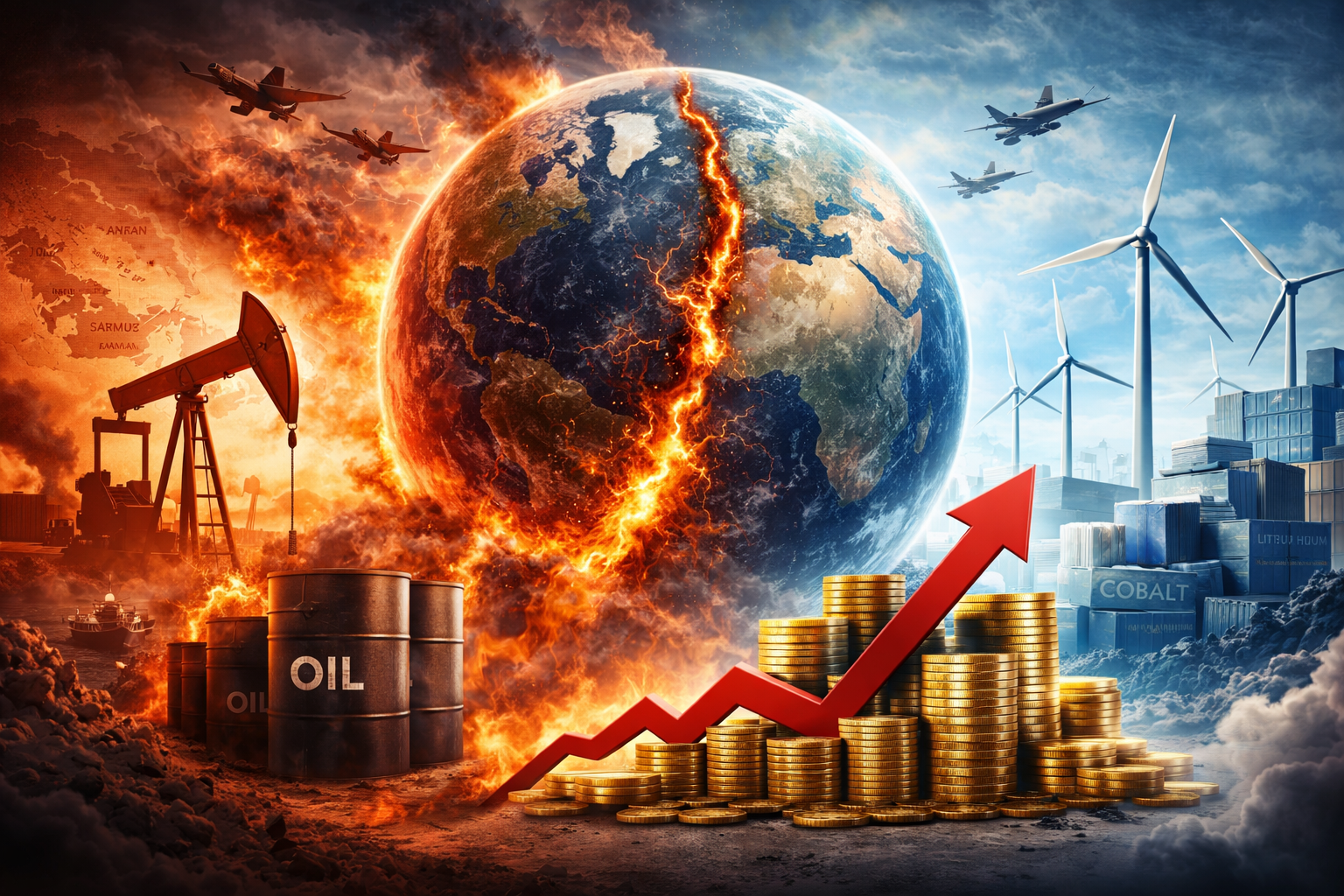
- The unrest around key maritime chokepoints, such as the Strait of Hormuz, shows how easily global energy flows can be disrupted.
- Energy shocks are particularly potent drivers of global inflationary spillovers due to the interconnected nature of supply chains and production systems.
- Energy’s role in strategic trade is growing, with resource access increasingly determined by geopolitical alliances rather than market dynamics.
- The ongoing global inflation shock is not merely a function of rising prices; it reflects a broader reconfiguration of power within the international system.
- As long as energy remains both an economic necessity and a strategic instrument, price volatility will continue to reflect geopolitical frictions and competing national interests.
The global energy system is no longer just based on supply and demand. Geopolitical tensions and strategic concerns are becoming more important. The unrest around key maritime chokepoints, such as the Strait of Hormuz, shows how easily global energy flows can be disrupted. The International Energy Agency says that this small corridor carries almost 20% of the world’s oil traffic, making it very vulnerable during wars.
This shift has transformed energy from a tradable commodity into a strategic instrument of statecraft. Disruptions are no longer limited to physical supply shocks; even the perception of risk can drive price volatility. Freight rates increase, insurance premiums rise, and supply chains are reconfigured, often pre-emptively. This gives rise to “anticipatory inflation,” where markets respond to the expectation of shortages rather than their materialisation.
Inflation around the world and energy prices
Energy is the backbone of modern economies; as such, disruptions transmit rapidly across sectors. When crude oil prices rise, transportation costs increase, which in turn elevates food prices, manufacturing costs, and overall consumer inflation. Energy shocks are particularly potent drivers of global inflationary spillovers due to the interconnected nature of supply chains and production systems.
This effect is especially pronounced in import-dependent economies such as India. The Ministry of Petroleum and Natural Gas reports that more than 85% of the country’s crude oil requirements are met through imports, rendering the economy highly sensitive to global price fluctuations.
However, this vulnerability extends beyond crude oil. Liquefied natural gas (LNG) and liquefied petroleum gas (LPG), which are critical for cooking, power generation, and industrial use, are also exposed to volatile global markets. The International Energy Agency notes that supply constraints in LNG markets during geopolitical crises can significantly impact emerging economies, compelling them either to absorb higher costs or revert to more carbon-intensive fuel alternatives.
Central banks, particularly the Reserve Bank of India, face structural constraints in addressing this form of inflation. Conventional monetary policy tools, such as interest rate adjustments, are largely ineffective in mitigating supply-side shocks in energy markets, limiting their ability to contain inflationary pressures.
The New Inflationary Order, Strategic Trade, and the Energy Transition
This inflation is not a one-time event; it is part of a broader shift in the world order. Energy’s role in strategic trade is growing, with resource access increasingly determined by geopolitical alliances rather than market dynamics. The World Trade Organisation has observed a rise in export controls, penalties, and trade barriers affecting key sectors such as energy and minerals.
This shift from free to strategic trade makes global markets less efficient. Supply chains are being rebuilt to fit political goals, which usually means higher prices and less efficiency. For instance, changing the routes of energy supplies to avoid politically sensitive areas raises transportation costs and levels of risk, all of which lead to inflation.
At the same time, the push for renewable energy worldwide has changed how countries interact. Renewable energy sources promise long-term stability and less reliance on fossil fuels, but they depend heavily on minerals such as lithium, cobalt, and rare earth metals. The World Bank has said that having a lot of these resources in only a few countries could lead to new supply problems, similar to what has happened in oil markets.
This dynamic gives rise to the so-called “energy transition paradox,” wherein efforts to reduce reliance on fossil fuels simultaneously create new dependencies on critical mineral supply chains and associated geopolitical risks. In the short term, the coexistence of fossil fuel and renewable energy systems can introduce systemic instability, as disruptions in one segment may propagate across the broader energy ecosystem.
The evolving global energy landscape presents both challenges and opportunities for countries such as India. The economy remains highly vulnerable to external shocks due to its heavy reliance on energy imports. At the same time, investments in decentralised renewable energy and multilateral initiatives such as the International Solar Alliance offer pathways to enhance energy resilience and reshape global energy governance.
However, realising this transition requires carefully calibrated policy frameworks. Expanding renewable capacity alone is insufficient; it must be complemented by investments in energy storage, grid infrastructure, and domestic manufacturing capabilities. Without these supporting measures, the transition risks exacerbating external dependencies and contributing to cost pressures.
The ongoing global inflation shock is not merely a function of rising prices; it reflects a broader reconfiguration of power within the international system. Countries are increasingly competing for access to energy resources, with far-reaching implications for economic stability and global order.
Addressing this new reality requires a fundamental shift in policy orientation. Policymakers must move beyond short-term interventions and instead focus on building resilience through diversification, strategic reserves, and decentralised energy systems. Simultaneously, enhanced international cooperation is essential to stabilise markets and mitigate the risks of conflict-driven disruptions.
In this context, inflation serves as more than a macroeconomic indicator; it acts as a signal of underlying structural tensions in the global system. As long as energy remains both an economic necessity and a strategic instrument, price volatility will continue to reflect geopolitical frictions and competing national interests. The central challenge, therefore, lies in managing this volatility without undermining growth, equity, or systemic stability.

Anusreeta Dutta is a columnist and climate researcher with experience in political analysis, ESG research, and energy policy. Views expressed are the author’s own.
 Aayush Pal
  Piyush Anand
  Sughosh Joshi