- The resumption of indirect nuclear talks alongside heightened military signalling reflects a traditional diplomacy-under-deterrence dynamic.
- By reinforcing Tehran’s red lines, Khamenei signals resolve to domestic audiences while constraining negotiators, consistent with the domestic audience cost argument.
- By combining overt military threats with diplomatic openness, the US posture reflects a compellence strategy, where threats aim not merely to deter but to alter adversary behaviour.
- US naval deployments and Iran’s missile drills demonstrate Thomas Schelling’s foundation for coercive diplomacy, which involves negotiating under duress.
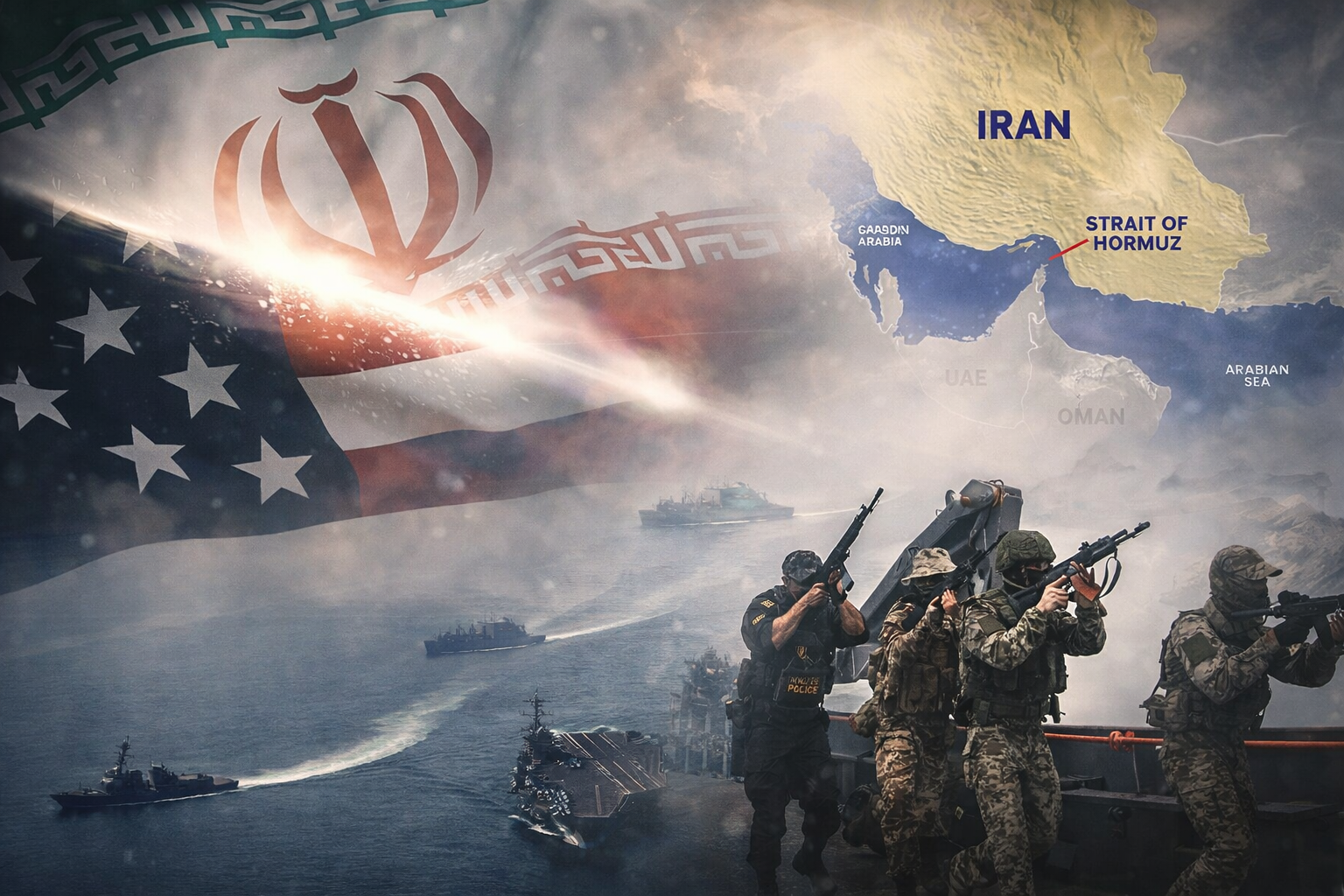
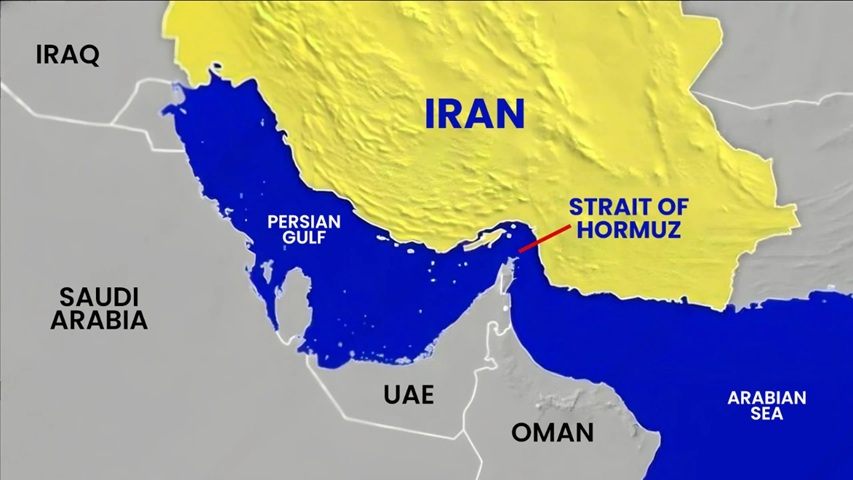
Given the increased military signalling, indirect nuclear talks between the United States and Iran resumed in Geneva under Omani mediation. This reflects a traditional diplomacy-under-deterrence dynamic that is often examined in international relations theory. Tehran carried out live-fire missile drills in the strategically significant Strait of Hormuz while negotiations looked for ways to reach a framework agreement. This action was widely seen as coercive signalling intended to increase bargaining leverage.
The talks were “constructive,” according to Iranian Foreign Minister Abbas Araqchi, who also stated that both parties had come to a consensus on fundamental “guiding principles” and will start drafting a possible deal. But he warned that there are still significant gaps. His comments are in accord with the idea of pre-agreement framing, which is a notion in negotiation theory where parties establish conceptual and procedural baselines before making legally binding agreements.
At the same time, Tehran’s red lines were reinforced by Supreme Leader Ali Khamenei, who warned Washington against using coercive diplomacy and stated that nuclear enrichment is a sovereign right under international law. His messaging conveys resolution to internal constituencies while limiting the flexibility of negotiators externally, which is consistent with the domestic audience cost argument.
On the American side, President Donald Trump has maintained a dual strategy that combines overt military threats with diplomatic openness. He stated that he was certain that Tehran was looking for a solution, but he reaffirmed that force, including scenarios of regime change, was still an alternative in case negotiations failed. This posture reflects a compellence strategy, where threats aim not merely to deter but to alter adversary behaviour.
The talks come after previous rounds in Muscat that were mediated by Oman, demonstrating the continued applicability of small-state mediation theory, which holds that neutral regional actors manage disputes between hostile nations. In the past, Omani diplomacy has served as a covert line of contact during US-Iranian conflicts.
Diplomacy has been heavily impacted by military developments. While Iran has carried out missile and marine drills in the waters that carry about one-fifth of the world’s oil, the United States has increased its regional naval presence by deploying carrier strike groups. The Strait of Hormuz is a strategic chokepoint from a geopolitical perspective, giving Iran an asymmetric advantage in spite of Washington’s conventional military disparity.
A prominent proliferation debate is at the centre of the talks. Washington has advocated for expanding negotiations to cover Iran’s ballistic missile program and regional proxy networks to prevent the development of nuclear weapons and seek credible restrictions on uranium enrichment. Tehran insists that talks stay limited to nuclear activity and sanctions relief, rejecting the idea of expanding the scope. Issue-linkage theory explains this negotiation difference: Iran seeks single-issue reciprocity, while the US seeks concessions across multiple domains.
Tehran insists that its nuclear program is peaceful and complies with the Nuclear Non-Proliferation Treaty, but Washington, supported by Israel, a regional ally, claims that enrichment levels are higher than what is needed for civilian purposes. To frame the negotiations inside a larger regional security issue, Israel, which has long upheld nuclear ambiguity, has insisted that any agreement also limit Iranian missiles and proxy forces.
Relief from sanctions is still Tehran’s key incentive. Its economy has been undermined by decades of economic constraints, leading to what political economics theory refers to as sanctions-induced negotiating pressure, in which regimes are pushed toward discussion without assurance of surrender on fundamental sovereignty concerns due to domestic hardship.
Although there is no impending breakthrough, intelligence and diplomatic information point to cautious optimism. It is anticipated that both parties will exchange draft texts before setting up a third round. According to analysts, this stage is one of fostering confidence without making any commitments, where procedural advancements lower the possibility of errors in judgment while maintaining strategic ambiguity.
While US deployments represent extended deterrent assurances to regional partners, the simultaneous missile drills highlight deterrence signalling Iran exhibiting escalation capability during negotiations. When taken as a whole, they demonstrate Thomas Schelling’s foundation for coercive diplomacy, which involves negotiating under duress.
The Geneva process ultimately reflects a multi-layered geopolitical struggle that includes regime security, sanctions relief, nuclear non-proliferation, and regional power projection. Achieving a balance between enrichment restrictions and sovereignty demands, which is essential to modern non-proliferation diplomacy, will determine if negotiations result in an agreement.

Anjali Singh is a postgraduate student of Political Science and International Relations, a Social Media Analyst, and a former Research Intern at the Indian Council of World Affairs. Views expressed are the author’s own.
 Anusreeta Dutta
  Amit Dasgupta & Uma Sudhindra