
- The region possesses almost everything that could make it one of the most prosperous parts of Africa. However, it remains one of the most troubled regions on the continent, with non-state actors posing serious challenges and civilian governments facing an existential crisis.
- Terrorist groups such as JNIM (Jama’at Nusrat al-Islam wal-Muslimin), an Al-Qaeda-affiliated coalition formed in 2017, have emerged as major security threats.
- One of the primary reasons behind the rise in terrorist activity is the wave of coups that has swept across the region since 2022. Several countries in Western Africa, including Mali, Niger, and Burkina Faso, have experienced political transitions in which military rulers have assumed power.
- As Western Africa emerges as a new geopolitical frontier, it is also confronting some of the most serious security challenges in its modern history.
Western Africa, also known as the Sahel region, is probably one of the most resource-rich zones in the world, with vast reserves of critical minerals and uranium, which serve as a major strategic resource. The region possesses almost everything that could make it one of the most prosperous parts of Africa. However, it remains one of the most troubled regions on the continent, with non-state actors posing serious challenges and civilian governments facing an existential crisis.
The history of the region has always been difficult. Countries in the Sahel endured a harsh period of colonisation and are now striving to establish greater independence from former European colonial powers. Yet, while seeking political and economic self-reliance, they continue to suffer from the activities of non-state actors and persistent instability.
A Region Rich in Resources but Plagued by Instability
The crisis in Western Africa has become increasingly challenging and concerning. Some of the countries most affected by this instability include Mali, Niger, and Burkina Faso. Terrorist groups such as JNIM (Jama’at Nusrat al-Islam wal-Muslimin), an Al-Qaeda-affiliated coalition formed in 2017, have emerged as major security threats. The group was created through the merger of several militant organisations operating in Mali and has since expanded its influence across the region.
JNIM and the Expanding Terror Threat in the Sahel
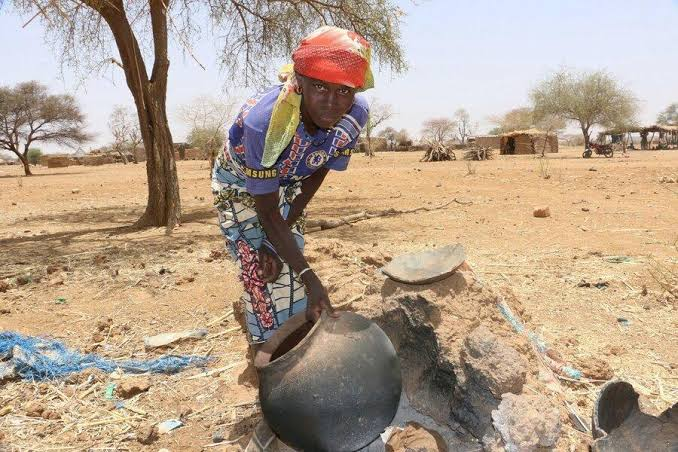
Recently, JNIM has significantly increased its presence in western Niger. The civilian government is witnessing a serious security crisis as terrorist groups have expanded their operations across multiple provinces of the country. As a result, the government is gradually losing control over certain areas. The worsening conflict has also created a major humanitarian crisis, marked by famine, poverty, and large-scale migration of people fleeing violence and insecurity.
Military Coups and the Growing Security Vacuum
One of the primary reasons behind the rise in terrorist activity is the wave of coups that has swept across the region since 2022. Several countries in Western Africa, including Mali, Niger, and Burkina Faso, have experienced political transitions in which military rulers have assumed power. These developments have created significant security challenges. While civilian institutions continue to function in varying capacities, political instability has deepened, providing terrorist networks with opportunities to expand their influence.
Another major factor contributing to the growth of these terrorist organisations is the geopolitical competition taking place in Africa. The continent has increasingly become an arena of rivalry between European powers and countries such as Russia. European nations, particularly France, historically maintained a significant presence in the Sahel. However, following the military transitions that occurred after 2022, the new governments demanded the withdrawal of foreign forces. France subsequently withdrew the majority of its military presence from the region.
Great Power Competition and the Future of the Sahel
The absence of international forces working alongside regional and local security agencies has created additional challenges in combating terrorist organisations. Although Russian private military entities such as the Wagner Group maintain a presence in parts of Western Africa, logistical and security difficulties continue to hinder efforts to stabilise the region. As a result, political instability remains a major concern across the Sahel.
As Western Africa emerges as a new geopolitical frontier, it is also confronting some of the most serious security challenges in its modern history. This has increased the responsibility of regional governments, which must not only provide political stability but also ensure security and effective governance for their populations.

Aayush Pal is a freelance writer on contemporary geopolitical developments. The views expressed in his work are entirely his own.
 Parag Gilada