- The MAGA movement and Donald Trump’s “America First” doctrine emphasised nationalism, border security, and resistance to global entanglements, resonating deeply with a large voter base.
- Trump’s recent foreign policy actions, especially regarding Iran and Ukraine, have triggered dissatisfaction among core supporters expecting strict adherence to America First.
- Prominent MAGA allies turning on critics signal a growing ideological fracture within the movement and a sense of betrayal among its base
- Shifting public opinion, particularly regarding Israel and foreign influence, indicates a broader transformation in American political attitudes and future nationalist narratives.
Make America Great Again (MAGA) is one of the most dramatic political narratives of the 21st century. The movement, which was first pioneered by former President Ronald Reagan in 1980, was given a completely new identity and reality by President Donald Trump. Arguably, such has been its influence that President Trump himself has now become synonymous with this movement. It has been his biggest political asset and the single most important reason why he has been elected as President of the United States for a second time.
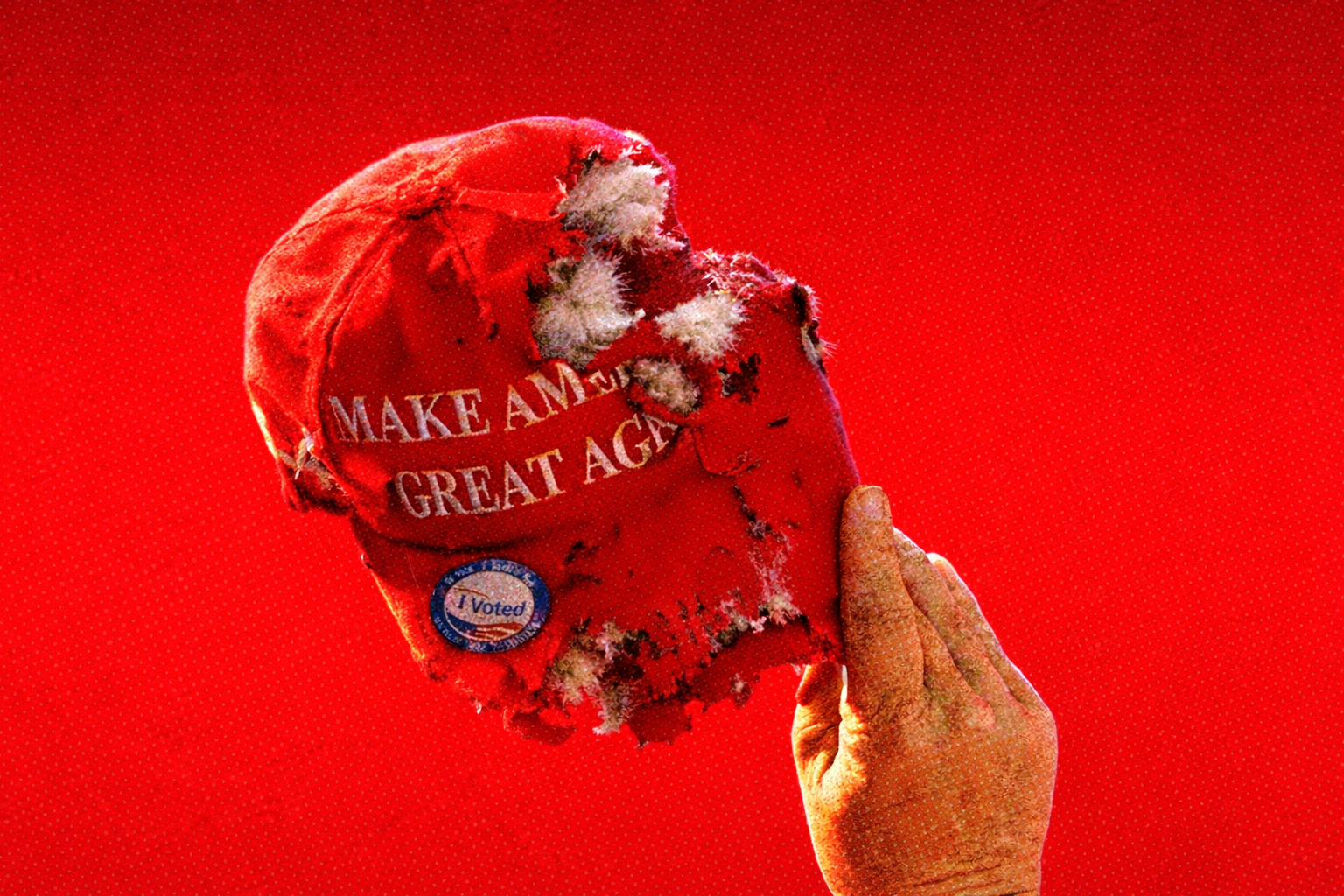
Back in 2015, when President Trump was contesting for the presidency for the first time, he introduced the idea of “Make America Great Again,” and since then, there has been no looking back. What began as a campaign slogan evolved into a massive political force and eventually the defining identity of the Republican Party. The red hat with the slogan became a powerful symbol across the Republican base, reflecting not just support but a deeper ideological alignment.
America First & Electoral Victory
In 2015, President Trump argued that the United States was once a great nation that had lost its stature due to foreign influence, immigration, multiculturalism, and globalisation. According to him, the only way to counter this decline was through an America First policy. This doctrine emphasised nationalism, border security, economic protectionism, and a strong resistance to global entanglements, particularly long-drawn foreign wars.
This approach resonated strongly with a large section of the American population. In 2016, President Trump successfully translated this sentiment into an electoral victory. MAGA created a loyal and emotionally driven voter base, and its symbolic elements became politically unifying, making it one of the most effective modern political mobilisations.
During his presidency, he implemented several measures, such as pushing for a border wall with Mexico, calling for stricter immigration controls, emphasising national sovereignty, and attempting to dismantle Obamacare. Many described this phase as a new chapter in American politics, one that was more inward-looking and nationalist.
When President Trump was elected for a second time in 2024, there were strong expectations that he would fully deliver on his earlier promises. However, what was initially seen as continuity has, for many, turned into a shift. His involvement in conflicts such as Iran and continued engagement in Ukraine has raised concerns among supporters who expected a strict America First approach.
Internal Fracture within MAGA Ecosystem
As a result, several of his long-time political allies and supporters, including Alex Jones, Tucker Carlson, Candace Owens, and Nick Fuentes, have openly questioned him. Now, the major opposition from people who have supported President Trump has been that when he needed help, especially at a time when he was seen as a victim of political vendetta by the Democratic regime, these were the very people who stood by him. They played a crucial role in helping President Trump win the 2024 elections.
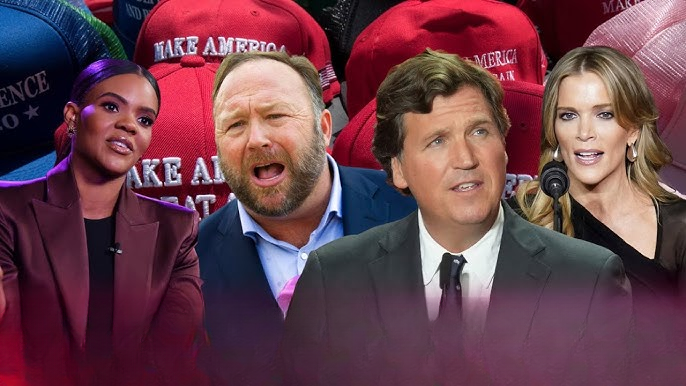
Trump has targeted prominent MAGA supporters like Candace Owens, Alex Jones, Tucker Carlson, and Megyn Kelly for opposing the war in Iran
Narrative of Betrayal
However, at a time when they are raising concerns that President Trump’s actions are going against the promises he made, particularly the America First approach, and that he is getting involved in wars and effectively fighting for other countries, their criticism has not been well-received.
President Trump has openly expressed his displeasure through social media posts, criticising figures like Tucker Carlson and Candace Owens, even referring to them as low-IQ individuals. This has significantly divided the Republican voter base. This indicates a growing ideological split within the MAGA ecosystem, with sections of the movement challenging the leadership and its current direction.
A key argument emerging among critics is that a potential war with Iran is not an American war but an Israeli one. According to them, such involvement contradicts the America First doctrine. The promise of avoiding foreign wars has become a central point of criticism, leading many core supporters to feel a sense of political betrayal.
Israel Factor in US Domestic Politics
This has also led to increased scrutiny of Israeli influence in American politics. The Jewish community has long had a strong presence in the United States, and Israel has historically been a key ally. However, this perception is now undergoing a shift.
Recent public opinion data suggests that nearly 40 per cent of Americans now hold an unfavourable view of Israel, with criticism particularly rising among younger voters and conservative grassroots sections. This marks a significant increase compared to earlier periods of strong bipartisan support.
Figures such as Lindsey Graham, Ted Cruz, and even President Trump himself have faced criticism for what some perceive as prioritising Israeli interests.
Role of Elite Networks and Influence
Additionally, Jared Kushner, Trump’s son-in-law, has come under focus due to his close ties with Israeli Prime Minister Benjamin Netanyahu and his involvement in Middle Eastern diplomacy and business. His financial ventures, including Affinity Partners and its investments involving Saudi Arabia and Israeli firms, have raised questions about transparency and influence.
People have also started to question the qualifications of President Trump’s special envoy to West Asia, Steve Witkoff, who has been a former business partner of President Trump and has been given a key diplomatic role under his administration. Critics have been questioning what led President Trump to choose Witkoff, as he has not been involved in diplomacy and has instead been known primarily as a businessman and a close personal associate of the President.
At the same time, with his own son-in-law being involved in diplomatic talks, many people have begun to question the intentions behind such appointments and have argued that this is not being done fairly
Changing Public Opinion and Political Implications
As this narrative develops, political analysts suggest that there is a possibility of growing anti-Israel sentiment among sections of the American population. This is particularly visible among younger voters and segments of the conservative base, indicating a broader shift in political attitudes.
Overall, the changing dynamics indicate that the United States may be heading toward a notable political transformation. The MAGA movement, once seen as a unified and dominant force, now faces internal challenges and external criticism. Public opinion is becoming more cautious, and there is a possibility that new nationalist narratives may emerge, reshaping the future of American politics.
References
- https://www.lemonde.fr/en/international/article/2025/12/29/israel-the-maga-world-s-new-obsession_6748918_4.html
- https://www.lemonde.fr/en/opinion/article/2026/01/25/the-maga-movement-is-divided-in-the-face-of-trump-s-openly-imperial-ambitions_6749793_23.html
- https://www.hindustantimes.com/world-news/us-news/trump-v-candace-owens-tucker-carlson-megyn-kelly-alex-jones-5-insults-potus-threw-at-streamers-over-iran-war-row-101775767881570-amp.html
- https://www.msn.com/en-us/news/politics/support-for-israel-hits-new-low-in-us-new-poll-shows/ar-AA20rRe6?cvid=0e5576a63e3e47eca56ff903cd0bb178

Aayush Pal is a freelance writer on contemporary geopolitical developments. The views expressed in his work are entirely his own.
 Pranav S
  Divyanka Tandon