
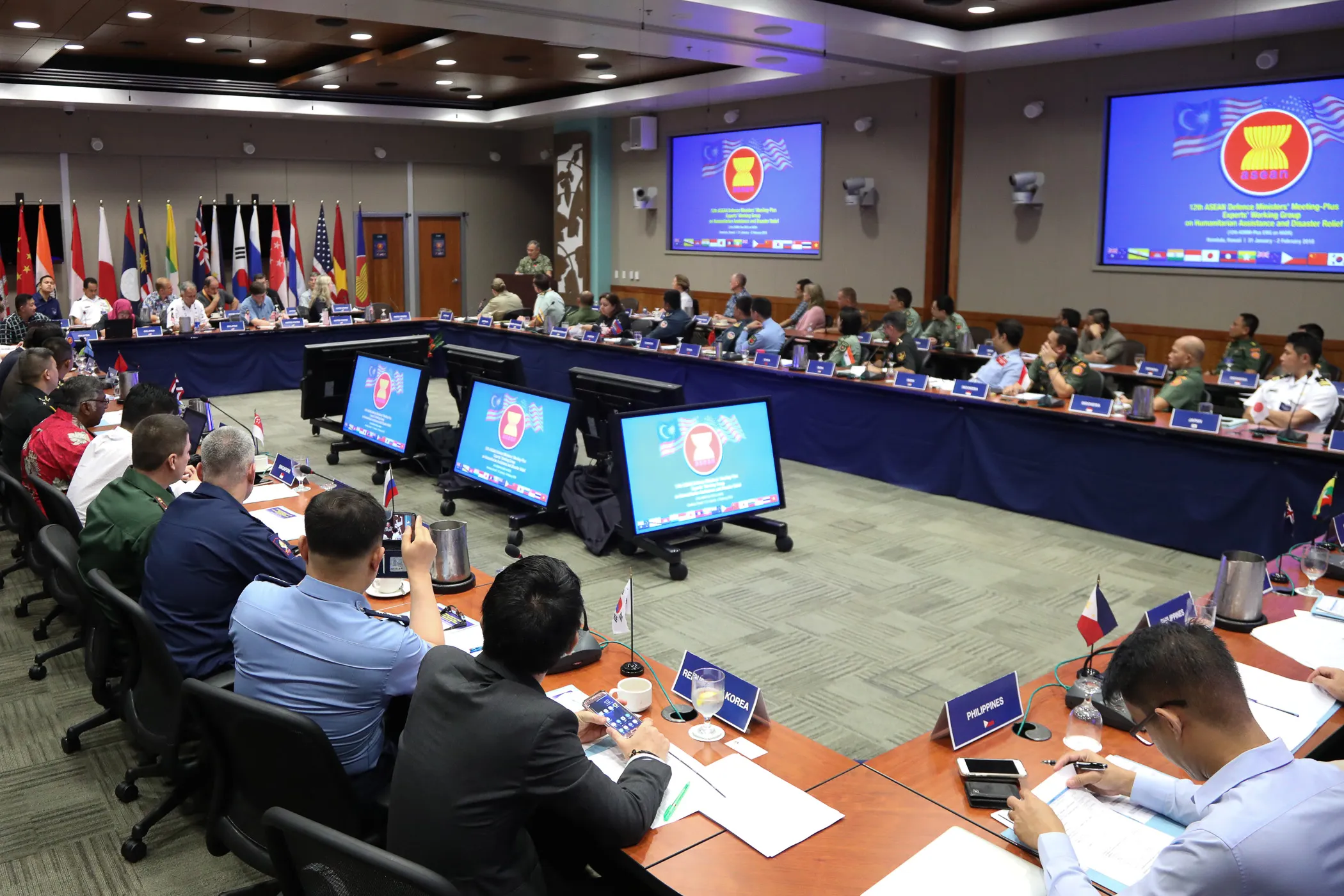
- The ADMM Plus dialogue is regarded as the highest defence consultative meeting in the Southeast Asian region that includes not just the ASEAN members but also other key partners and actors in the neighbourhood.
- Peace and stability are the larger goals of ADMM Plus, and it is only through the cooperation of the member and partner countries that security issues can be addressed and resolved.
- What distinguishes the ADMM Plus from other diplomatic forums is its approach towards practical action, besides the dialogue and discussions.
- India’s defence association with ASEAN through ADMM Plus complements India’s Act East Policy and its vision of stronger, comprehensive India-ASEAN ties.
The 12th edition of the ASEAN Defence Ministers Meeting Plus, also known as the ADMM Plus, was successfully held on 1st November 2025 in Kuala Lumpur in Malaysia. The dialogue is regarded as the highest defence consultative meeting in the Southeast Asian region that includes not just the ASEAN members but also other key partners and actors in the neighbourhood. The primary agenda of the forum is for its member countries to engage in dialogue and discussions aimed towards increased defence cooperation and therefore contribute towards stronger regional stability. The theme of the 12th ADMM Plus was ‘Inclusivity and Sustainability’, which yet again highlighted the forum’s and ASEAN organisation’s core objectives rooted in strengthened cooperation and regional peace and stability. Other highlights of the meeting included the members agreeing on enhanced capacity building and knowledge sharing, such as through joint exercises.
The defence meeting also focused on the emerging security and economic challenges in the region. There were discussions to address geopolitical tensions and conflicts, during which the members agreed on the possibility of a potential threat arising from power rivalries in the region, such as China’s assertiveness over the South China Sea. This demonstrates the member countries’ choosing to remain united when it comes to threats to the region’s stability. Together, they advocate for a free, open and inclusive Indo-Pacific and agree on upholding international law and having freedom of navigation in the shared waters. Peace and stability are the larger goals of ADMM Plus, and it is only through the cooperation of the member and partner countries that security issues can be addressed and resolved.
Vision behind ADMM Plus
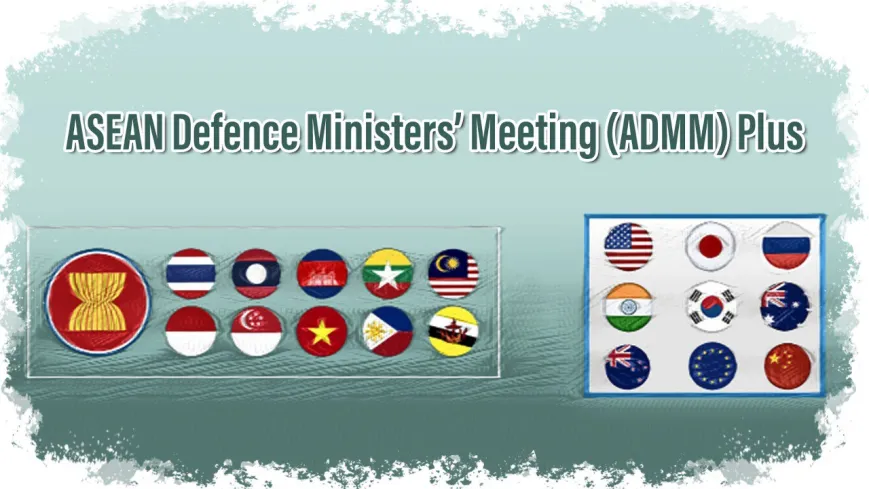
ADMM Plus came into existence fifteen years ago on 12th October 2010. It is a key regional security forum that brings together the ASEAN member nations as well as its eight dialogue partners, which include India, China, Japan, South Korea, New Zealand, Australia, Russia and the United States. The forum was first convened in 2010 in Vietnam and is regarded as a major milestone as it is the highest defence consultative and cooperative platform of the ASEAN organisation. It has been held annually since 2017, when the decision was taken to conduct yearly editions of ADMM Plus. Over the years, the multilateral forum has provided an avenue for ASEAN and countries to engage in meaningful discussions centred around their shared vision of establishing a strong defence mechanism amongst them.
As the ASEAN grouping plays a crucial role in the regional security of East Asia and the Indo-Pacific, the ADMM Plus therefore serves as a key pillar of the Indo-Pacific security framework and is of high relevance in the present geopolitical environment, heightened with security challenges. Furthermore, the inclusion of external partners is a positive approach by the forum that has helped in strengthening regional capacities. Being an ASEAN-led and ASEAN-driven platform, the forum has welcomed the Plus countries’ contributions in
enhancing disaster preparedness and capacity of the ASEAN members, as well as encourages them to work collectively towards common threats faced in the shared neighbourhood. The forum, therefore, complements the key vision of the ASEAN organisation, built upon mutual trust and cooperation. It also reflects the larger purpose of the ASEAN Security Community (ASC) in establishing a democratic and open community in Southeast Asia. The ASEAN Security Community is one of the three pillars of the ASEAN community and aims at ensuring peace and security, promoting political cooperation and deeper regional integration in the region.
What distinguishes the ADMM Plus from other diplomatic forums is its approach towards practical action, besides the dialogue and discussions. Through ADMM Plus, the diplomatic engagement and vision have been translated into actual operationalisation of the agendas. For instance, the Experts Working Groups or the EWGs of the ADMM Plus have helped facilitate cooperation amongst the forum’s members. Over the years, the EWGs have made remarkable progress and advancements in key areas like maritime security, peace building, Humanitarian Assistance and Disaster Relief (HADR), counter-terrorism, cyber attacks, climate-related disasters, among other challenges.
The key objectives of the ADMM Plus include:
- To promote regional peace and stability through dialogue and cooperation in defence and security.
- To give guidance to existing senior defence and military officials on dialogue and cooperation in the field of defence and security within ASEAN and between ASEAN and dialogue partners;
- To promote mutual trust and confidence through greater understanding of defence and security challenges, as well as enhancement of transparency and openness; and
- To contribute to the establishment of an ASEAN Security Community (ASC) as stipulated in the Bali Concord II, and to promote the implementation of the Vientiane Action Programme (VAP) on ASC
India’s Increased Defence Cooperation with ASEAN
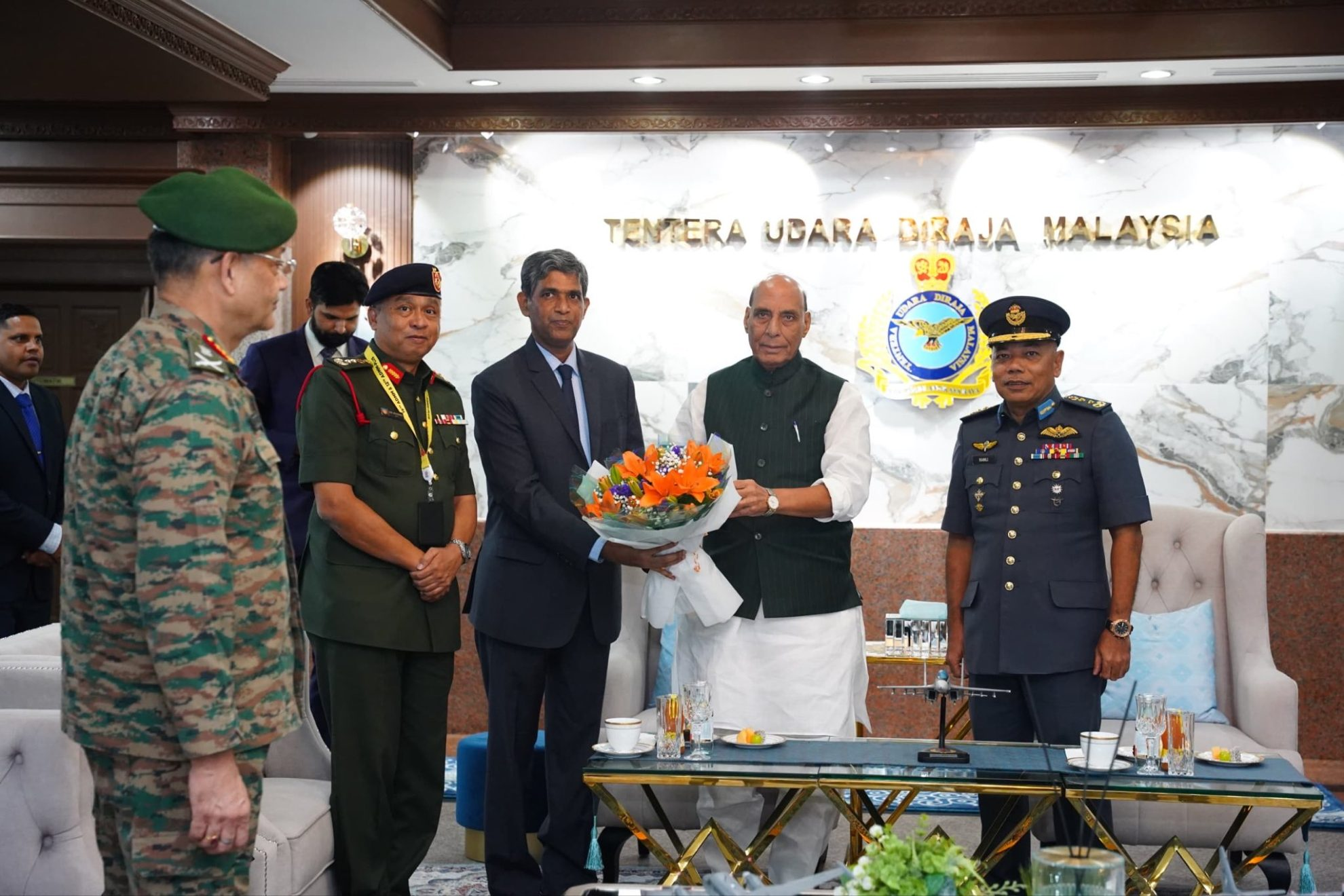
India’s defence association with ASEAN through ADMM Plus complements India’s Act East Policy and its vision of stronger, comprehensive India-ASEAN ties. India has been an active participant in the meetings of ADMM Plus and has co-chaired the Expert Working Groups thrice in the past, including those focused on Humanitarian Action and Disaster Relief (HADR), Military Medicine and Humanitarian Mine Action. At present, India is the co-chair with Malaysia on Counter-Terrorism for the period 2024-2027. At the 12th ADMM Plus, India’s Defence Minister, while addressing the forum titled ‘Reflection on 15 years of
ADMM-Plus and Charting the Way Forward stated, “ADMM Plus is entering its 16th year, and at this time, India is ready to enhance cooperation in all areas of mutual interests, promote dialogue, and ensure peace and stability through regional mechanisms”. The second edition of the ASEAN-India Defence Ministers Meeting was also held on the sidelines of the 12th ADMM Plus, which saw the participation of Defence Ministers from all ASEAN members and was focused on further strengthening their military and security cooperation.
However, India’s strengthened defence ties with ASEAN go before the ADMM Plus. Over time, India and ASEAN countries have expanded their defence partnership through increased joint exercises such as AIME, CORPAT, SIMBEX, among others. The regular port calls between India and ASEAN navies have resulted in enhancing interoperability and increased maritime cooperation. Military training programs and high-level diplomatic visits from either side have further reinforced defence cooperation between India and ASEAN.
The ADMM Plus has enabled India to not only deepen defence ties with ASEAN nations but also with other key players of the region, like Australia, New Zealand, and South Korea. Besides, India is also part of other defence dialogues, such as with Vietnam and the Philippines. This has led to increased security cooperation as well as a stronger bilateral relationship with not just the ASEAN grouping as a whole but also with its member nations, thereby resulting in increased security partnerships with our extended Eastern neighbourhood.
Conclusion
With the Southeast Asian region holding high geopolitical significance and without growing uncertainties and challenges in the Indo-Pacific, forums like ADMM Plus enable partner countries to discuss common concerns and collectively agree upon possible solutions. It indicates the importance of diplomatic dialogues and the positive impact of consultations as well as multilateral engagements. It has helped in building trust between the ASEAN states as well as between the Plus countries and ensures equal participation without dominance from a single country. It is this inclusive nature of ADMM that contributes to regional stability, focused on openness and transparency.
Since its institutionalisation, the forum has encouraged and promoted a deeper understanding of defence and security among its member and partner countries. The successful rolling out and yearly conduct of ADMM Plus, therefore, reflects ASEAN’s commitment towards regional security and its emphasis on the bloc’s military preparedness. In the future, the forum can work towards advanced cooperation from its members in better management of shared resources in the region and in dealing with potential threats and humanitarian disasters. The member and countries can also commit to increased technology sharing as well as capacity building with each other. A more action-oriented approach can also be focused on, which can lead to a faster operationalisation of the decisions taken. Besides, the forum can also expand its present vision and scope, as well as include other countries in the neighbourhood as dialogue partners.
Conflicts and diverging opinions amongst members and countries of ADMM are, however, an obstruction in the effective functioning of the forum. With the ASEAN bloc facing security challenges in the rapidly changing geopolitical environment, it is therefore imperative for its members to work towards a unified security strategy with increased cooperation from the partner countries.
References:
- https://www.pib.gov.in/PressReleasePage.aspx?PRID=2183606®=3&lang=2
- https://asean.org/wp-content/uploads/2025/11/JOINT-STATEMENT-BY-THE-ASEAN-DEFE NCE-MINISTERS-MEETING-PLUS-ADMM-PLUS.pdf
- https://www.indiandefensenews.in/2025/11/indo-pacific-should-remain-free-from.html
- https://www.thehawk.in/news/world/india-ready-to-boost-cooperation-ensure-regional-peace- rajnath-singh-at-admm-plus-meeting-in-kuala-lumpur
- https://www.orfonline.org/research/from-look-east-to-act-east-mapping-india-s-southeast-asia n-engagement
- https://admm.asean.org/index.php/about-admm/about-admm.html
- https://www.jstor.org/stable/24905112

Faareha is a PhD scholar awaiting her final defence and has worked on India’s Act East Policy. She is currently a Non-Resident Fellow at the Subhas Chandra Bose Chair on International Relations at Chanakya University. She has previously completed her six-month research internship at India’s Council of World Affairs. Views expressed are the author’s own.
 Anusreeta Dutta
  Anjali Singh
  Amit Dasgupta & Uma Sudhindra