- According to the United Nations Report, the world has entered into an era of “global water bankruptcy”, and if it is not tackled in time, it may harm billions of people.
- Most West Asian countries depend on shared cross-border water sources—Syria and Iraq rely on the Tigris and Euphrates, Jordan shares the Jordan and Yarmouk rivers, Israel draws on water systems linked to the West Bank and Lebanon, and Kuwait depends partly on groundwater flowing from Saudi Arabia.
- As West Asia becomes hotter and drier, rising water scarcity could cut GDP by 6–14% in some countries by mid-century, pushing governments to adopt smart metering, desalination, better climate/hydrological data, and stronger water governance reforms.
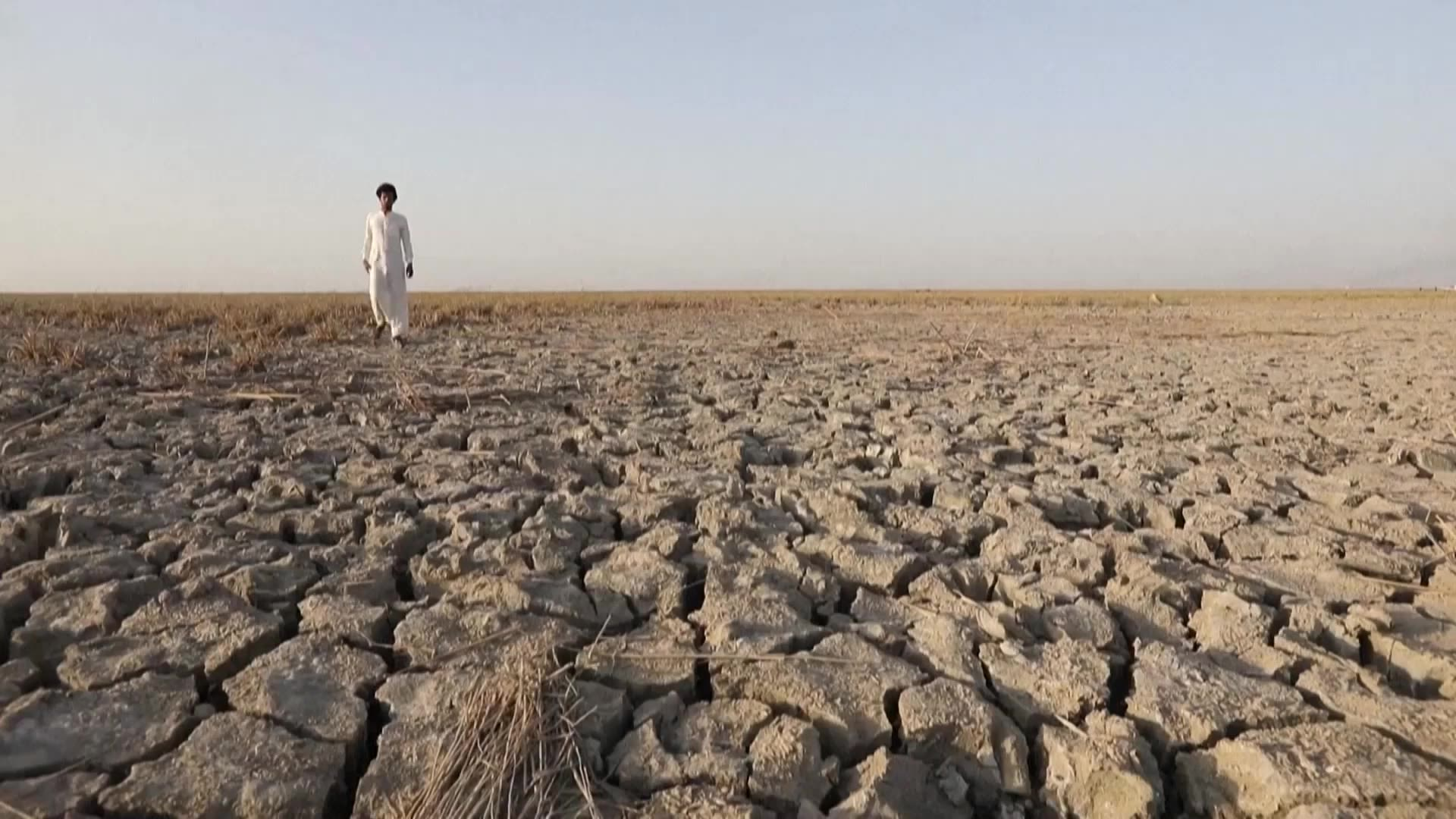
The Sustainable Development Goal 6 aims to provide access to water and sanitation for all and to reduce freshwater pollution by eliminating dumping and minimising the release of hazardous chemicals. Current climate change has caused severe constraints to the use of clean water; it has been poisoned by pollution and drained by overuse. According to the United Nations Report, the world has entered into an era of “global water bankruptcy”, and if it is not tackled in time, it may harm billions of people. The current scarcity in West Asia is due to unsustainable use of water, which is leading to water scarcity.
The majority of the West Asian region is dry, due to which they fall under arid or semi-arid zones that receive low and variable rainfall and contain mountain chains where vegetation is lush, and winters are cold. Morocco’s Rif mountains receive over a meter of rainfall over a year, whereas the growth of population in this region is relatively high at 1.7% a year and is expected to double in size in the first half of the 21st century, such as Iraq, Bahrain and Palestine, which have higher population growth as compared to other countries in West Asia.
However, in the case of Lebanon, the situation is different, where the population is expected to shrink. One of the major reason of water scarcity in West Asia is because of its higher potential for hosting migrant populations that outnumber its own residents. Jordan and Lebanon are the most significant countries to host the highest number of refugees per capita in the world. Most of the countries in West Asia mostly rely on transboundary water resources where Syria and Iraq mostly depends on Tigris and Euphrates rivers; Jordan’s two main surface water resources, the Jordan and Yarmouk rivers are shared with its neighbors, Israel relies into surface and ground water resources that traverse borders with the West Bank, Lebanon, Syria and Kuwait are fed by water flowing from underground water inflow from Saudi Arabia. The dependency of water on other sources makes the countries use shared water.
The current situation in the region is worsening, with an estimated 500-667 per capita cubic meters per year as of 2025, due to which the countries are boosting climate resilience, strengthening food security, and creating cleaner and safer local environments. As West Asia gets hotter and drier, the water scarcity could reduce GDP by 6-14 & in some countries by the middle of the century, leading the countries to adopt various methods like the adoption of cutting-edge technologies, including smart metering, desalination and the use of climate and hydrological data and re-framing their governance policies to deal with further water scarcity.
Countries like Morocco are undertaking various measures to manage groundwater resources across the country, where Jordan is trying to utilise the innovations made by the private sector and financing for wastewater treatment and desalination. On the other hand, economically developed countries like Saudi Arabia, the United Arab Emirates, Kuwait, Oman, and Qatar are trying to solve their water security by investing in water desalination and replenishment of groundwater. However, due to the use of desalinated water, it produces major carbon footprints on the Earth as most of the countries rely on energy- intensive thermal desalination plants, leading to negative consequences and causing harm to the Earth while increasing pollution.
UNDP’s Advice to West Asia on Water Governance
The United Nations Development Programme Regional Bureau of the Arab States, with the support of the Swedish International Co-operation Agency (Sida), which focuses on Water Governance, puts forward various steps to deal with managing scarcity and securing the future. The report calls for:
- Integrated governance approaches that address the links between water and health, education, poverty reduction, and environmental protection, while also balancing the demand for water from different sectors to ensure food and energy security.
- A better understanding of the real “value” of water, which takes into account social and environmental costs, as well as the direct financial costs of extraction and delivery.
- Water and sanitation institutions, in coordination, to improve the efficiency of water distribution.
- Overhauling inadequate and/or weakly enforced legislation so that it can better protect scarce water resources.
- The systematic involvement of diverse stakeholders, including local communities, in decision-making and in the mechanisms necessary to increase the accountability and transparency of public water and sanitation services
- Support for research, innovation, and data collection, including through stronger regional mechanisms for sharing data and knowledge.
- Paying greater attention to shared water resource management across national boundaries.
Water Scarcity in West Asia poses greater security challenges as most of the countries in the region rely on sharing water resources, which may lead to conflict between these countries. While most of the developed countries rely on desalination, it has a greater environmental degradation due to its greater carbon footprint on Earth, causing pollution and environmental problems. However, shared measures taken by the countries and the World Bank would slowly erase the scarcity, which requires proper water governance policies.
References:
- https://www.theguardian.com/environment/2026/jan/20/era-of-global-water-bankruptcy-is-here-un-report-says
- –https://www.maithriaqua.com/post/middle-east-water-woes-possible-solutions
- –https://www.undp.org/nature/our-work-areas/water-governance
- –content/uploads/2020/09/merip-primer-on-water-in-the-middle-east.pdf
- –https://www.worldbank.org/en/news/immersive-story/2025/04/09/building-a-water-secure-future-in-the-middle-east-and-north-africa
- https://www.undp.org/arab-states/publications/water-governance-arab-region

Antara Deka is a student of Political Science at North Eastern Hill University and History at Indira Gandhi National Open University. Her interests include political awareness and civic engagement, and she has been actively involved in initiatives promoting informed participation among youth. Views expressed are the author’s own.
 Aayush Pal
  Archita Gaur