
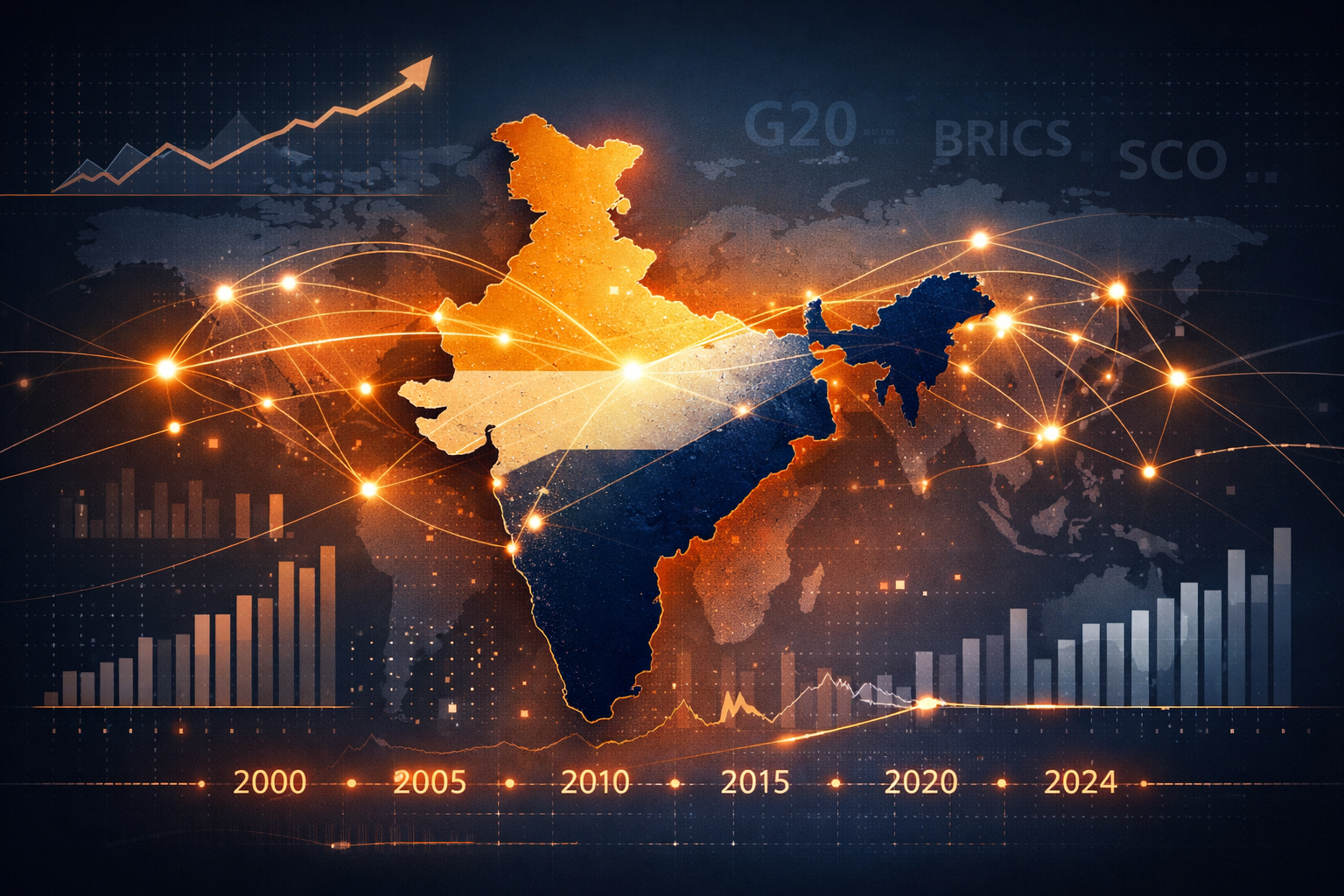
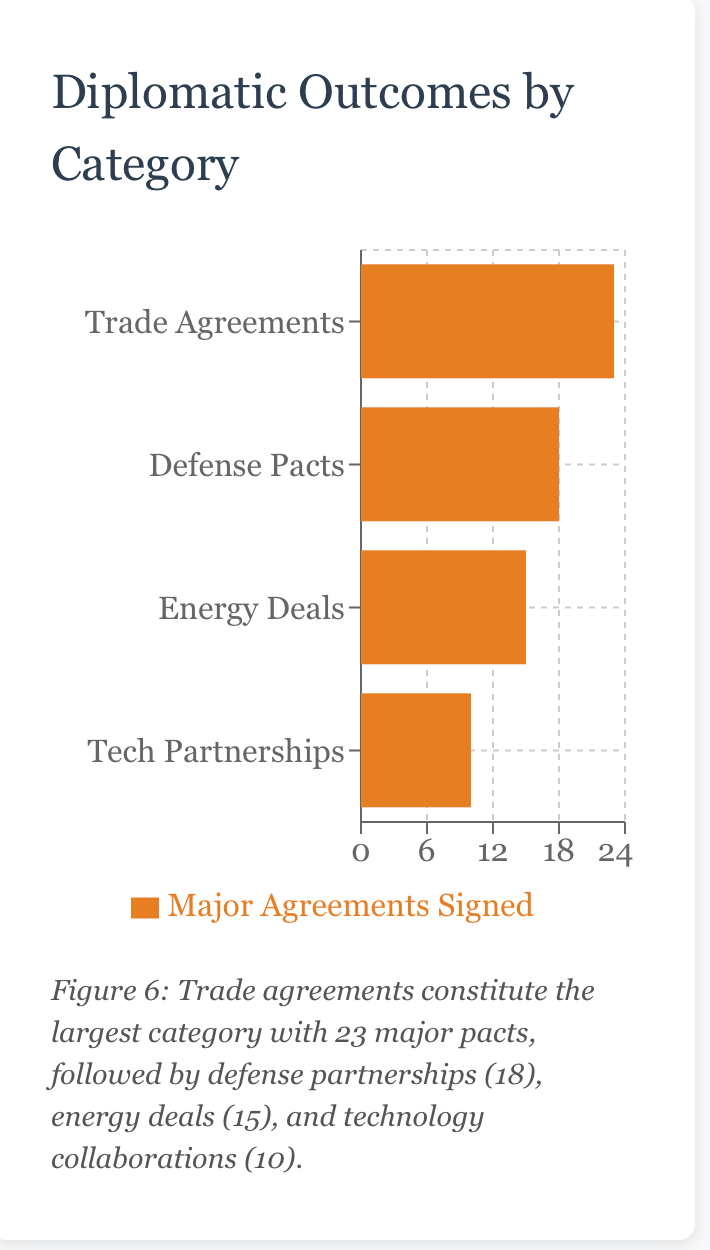
- Since 2000, nearly 1,000 separate high-level exchanges of diplomats have taken place between India and other nations, with an additional 23 significant trade treaties signed.
- Under Modi’s leadership, the concept of so-called “hyperactive diplomacy” has emerged, making diplomatic outreach an integral part of India’s foreign policy.
- India’s approach towards its involvement in multiple international spheres displays a deep understanding of how to effectively balance multiple forums as well as different ideologically aligned blocs.
- India has undergone a substantial change in its foreign relations over the last two decades, as evidenced by measurable shifts in visits, trade agreements, and multilateral leadership.
| Analysis Period: January 2000 – December 2024 |
| Methodology: Quantitative analysis of high-level diplomatic visits, bilateral agreements, multilateral forum participation, and trade statistics compiled from official government sources and international organisations. |
Over the last 20 years, India has changed from being an important regional nation to having a significant role in the global diplomatic system. This change is not just about words; rather, it can be measured by looking at how many high-level officials visited India or India sent abroad, how many countries participated in international organisations with India, and how many countries signed an agreement with India or entered into other types of agreements with India. Since 2000, nearly 1,000 separate high-level exchanges of diplomats have taken place between India and other nations, with an additional 23 significant trade treaties signed, and India has become an integral member of many important international organisations, such as the G20, BRICS, and the Shanghai Cooperation Organisation.
The rapid increase in the number of diplomatic channels established by India arose primarily after 2014, when Prime Minister Narendra Modi took office. Under Modi’s leadership, the concept of so-called “hyperactive diplomacy” has emerged; this means that the Modi government has initiated an all-time high frequency of overseas trips made by government officials and has made diplomatic outreach to other nations an integral part of India’s foreign policy.
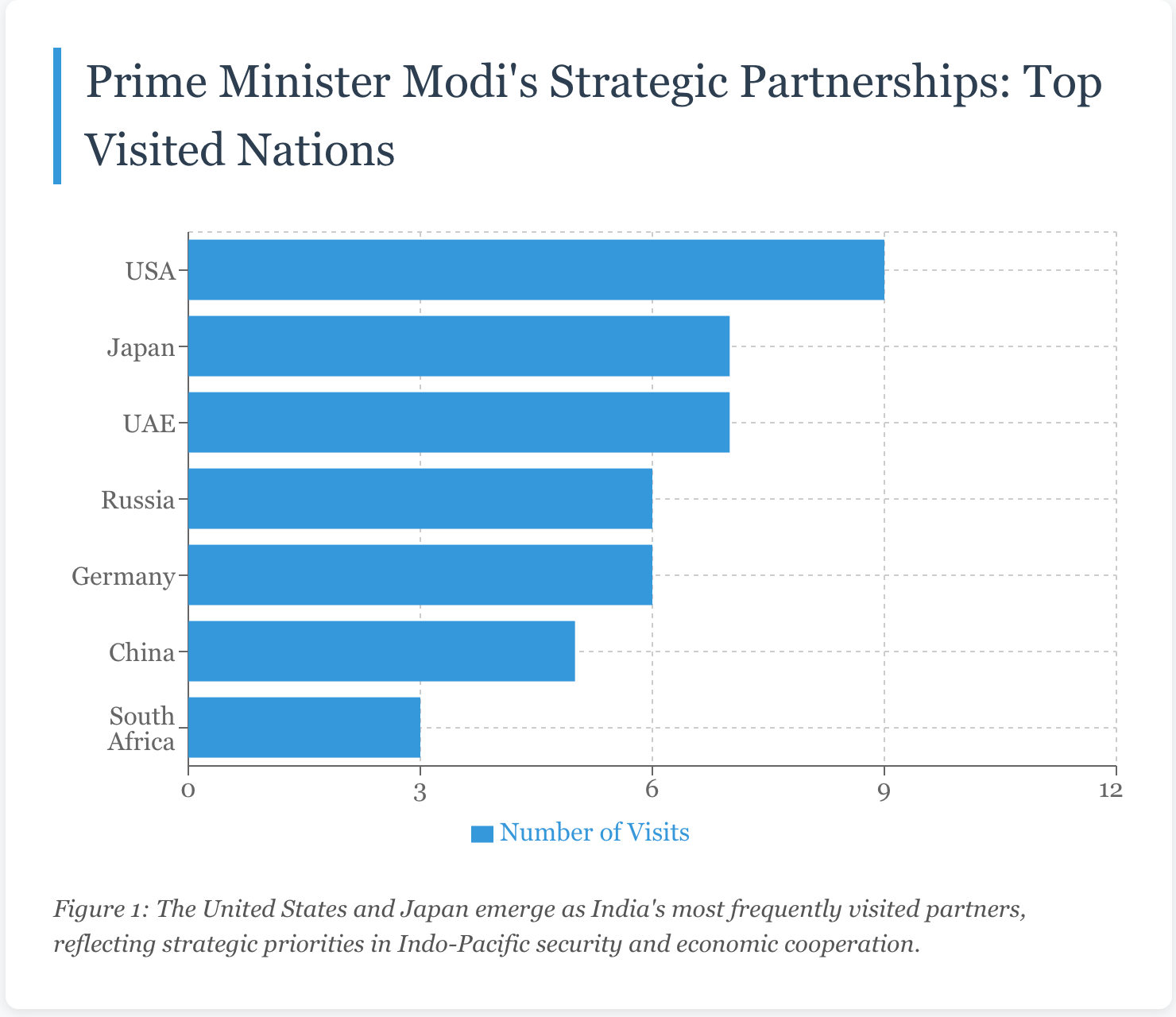
Since assuming office, Modi has made 138 trips to 68 different countries, which averages approximately 14 trips per year; this rate of travel has never before been experienced by Indian leaders. This recent increase in the frequency of diplomatic engagements, combined with a shift to proactive diplomatic leadership, represents a significant change in India’s foreign policy focus.
The Trade Architecture: Agreements as Economic Diplomacy
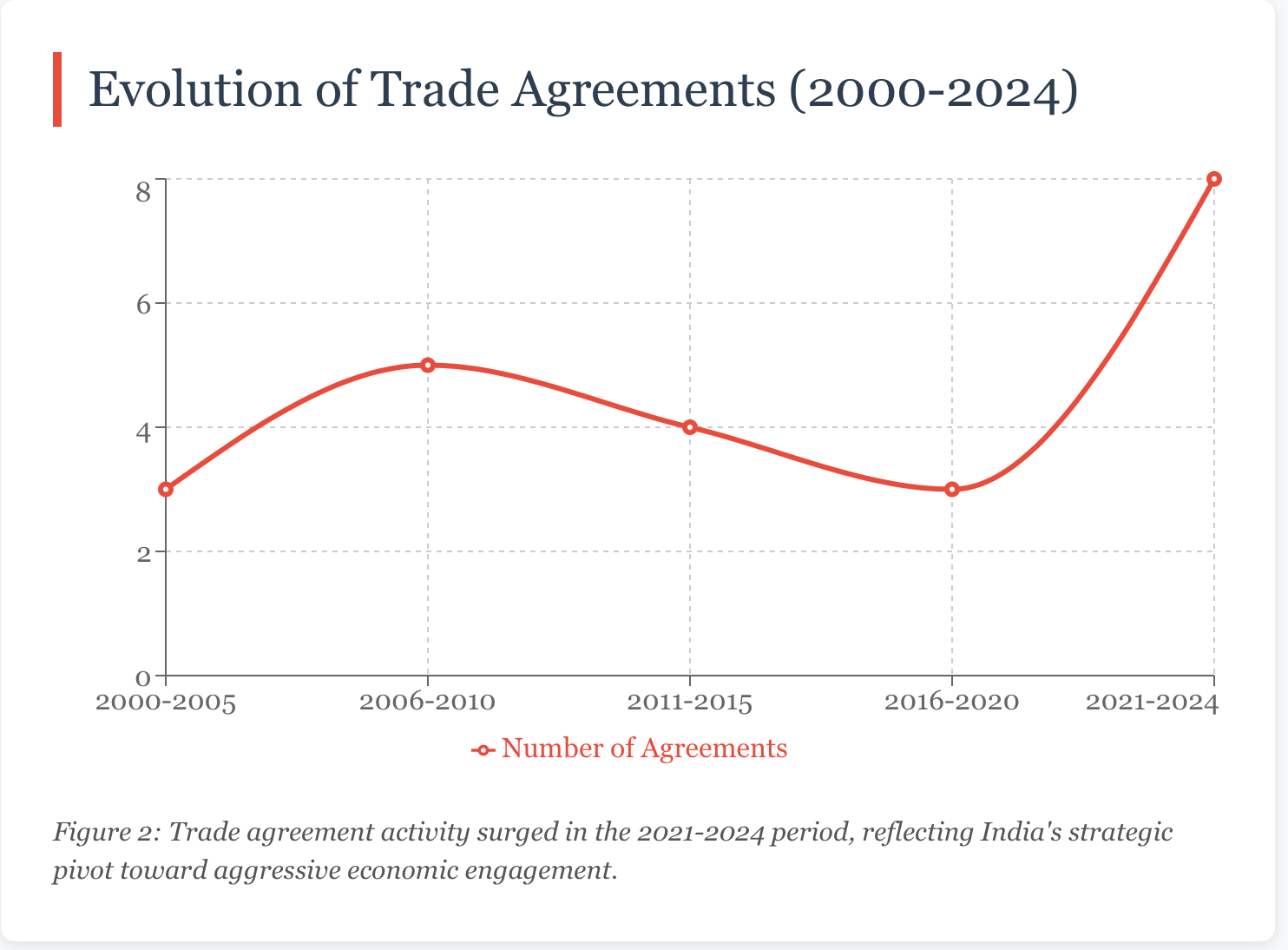
Analysis of trade diplomacy efforts in India is quite enlightening. After concluding its First Free Trade Agreement in Sri Lanka in 2000, India followed a somewhat conservative approach in the first decade of this century, as it averaged less than a trade agreement per year.
However, there has been a rapid acceleration in the eight big agreements between 2021 and 2024, including the historic agreements with the UAE, Australia, and the European Free Trade Association. The India-UAE Comprehensive Economic Partnership Agreement, which was finished in a record 88 days, indicates the new pace at which the country can now negotiate economic agreements. This agreement alone aims at doing bilateral trade of over $100 billion by 2030, which means double the present level.
Multilateral Platforms: India as Bridge-Builder
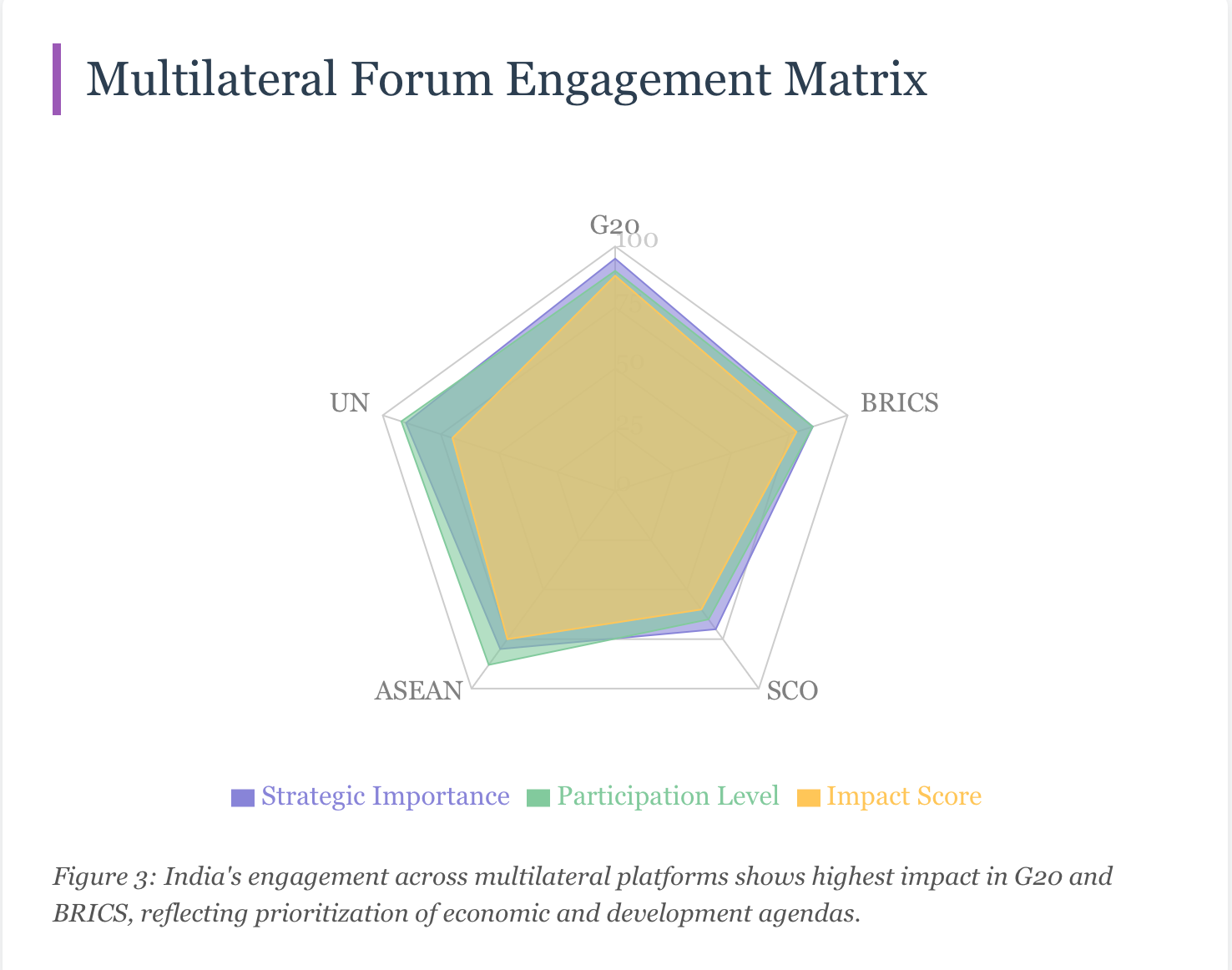
India’s approach towards its involvement in multiple international spheres displays a deep understanding of how to effectively balance multiple forums as well as different ideologically aligned blocs. It’s simultaneously heavily engaged within the Western framework of the G20, the non-Western grouping of BRICS, as well as other regional alliances such as the Shanghai Cooperation Organisation or the ASEAN framework. Such non-alignment is, paradoxically, a sign of its autonomy.
This strategy was wonderfully demonstrated at the G20 presidency in India in 2023. Although there was a great divergence in opinions between Russia and the Western bloc regarding Ukraine, India was successful in reaching a consensus and achieved the entry of the African Union as a permanent member, which gave global importance to the voice of the Global South. There were over 200 meetings in 60 cities, and it engaged more than 25,000 participants, which made it the most geographically diverse G20 presidency in its history. India achieved 87 deliverables in the G20 presidency.
Quantifying Impact: From Visits to Outcomes
Tangible, measurable outcomes, rather than frequency or number of visits by leaders, determine success in developing international relations through diplomacy. The analysis of the bilateral agreements that have been signed as a result of leaders meeting with leaders during high-level visits has been analysed for various patterns. The most significant pattern in analysing the agreements is that 35% of the total agreements were related to trade, 27% were for defence, 23% were related to energy, and 15% were associated with technological co-operation. The percentages reflect the overall strategic priorities of the Indian government: to achieve economic growth through international trade, to provide security through defence partnerships, to provide energy security for developing India’s industries, and to invest in new technology to be competitive globally.
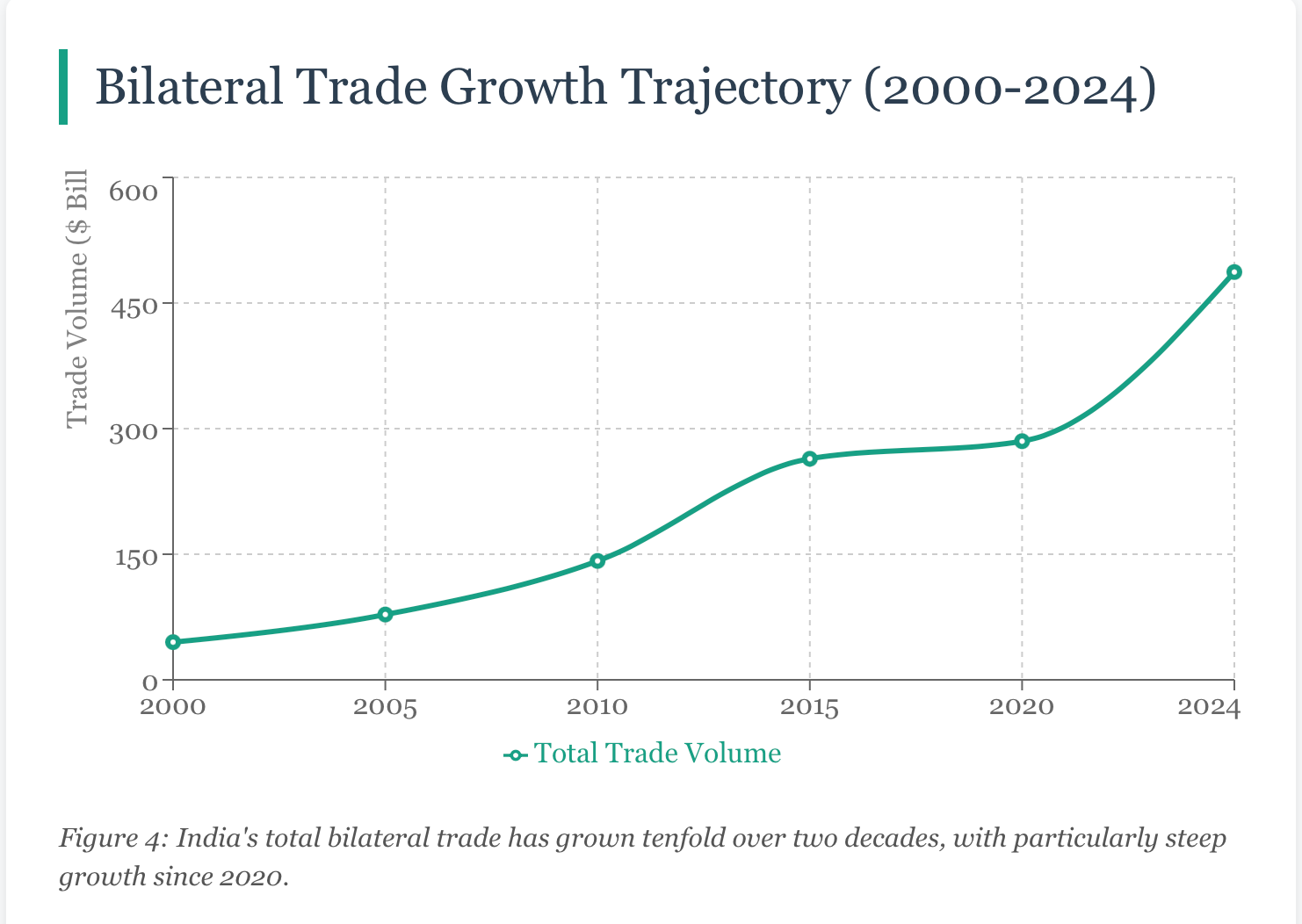
The increase in India’s bilateral trade from approximately $45 billion USD in 2000 to an estimated $487 billion USD in 2024 (10 times the original amount) has been directly linked to the intensity and level of diplomatic engagement between India and other members of the international community. Countries that have been receiving frequent visits by Indian leaders experience an average trade growth rate 40% higher than countries that have only experienced infrequent visits from Indian leaders, thereby providing a solid economic return on the investment made by the Indian government in developing diplomatic relationships with other countries.
The Follow-Up Factor: Measuring Long-Term Impact
The most essential and least addressed area in engagement through diplomacy may be its implementation processes after engagement has occurred. Our data analysis has shown great variation in implementation levels in various categories of agreements. The level of implementation measured in trade and investment agreements had been highest at 78%, defence agreements at 72%, technological agreements at 65%, and cultural exchange agreements at 58%.
The follow-up system designed by the Modi regime includes elements such as the formation of Joint Working Groups and review meetings every year. For example, the India-UAE CEPA agreement includes review terms in terms of Key Performance Indicators. This has been a huge success in meeting targets within a short period. Only two years after implementing the agreement, both countries were able to enhance non-oil trade by 23%.
Strategic Insights and Future Trajectories
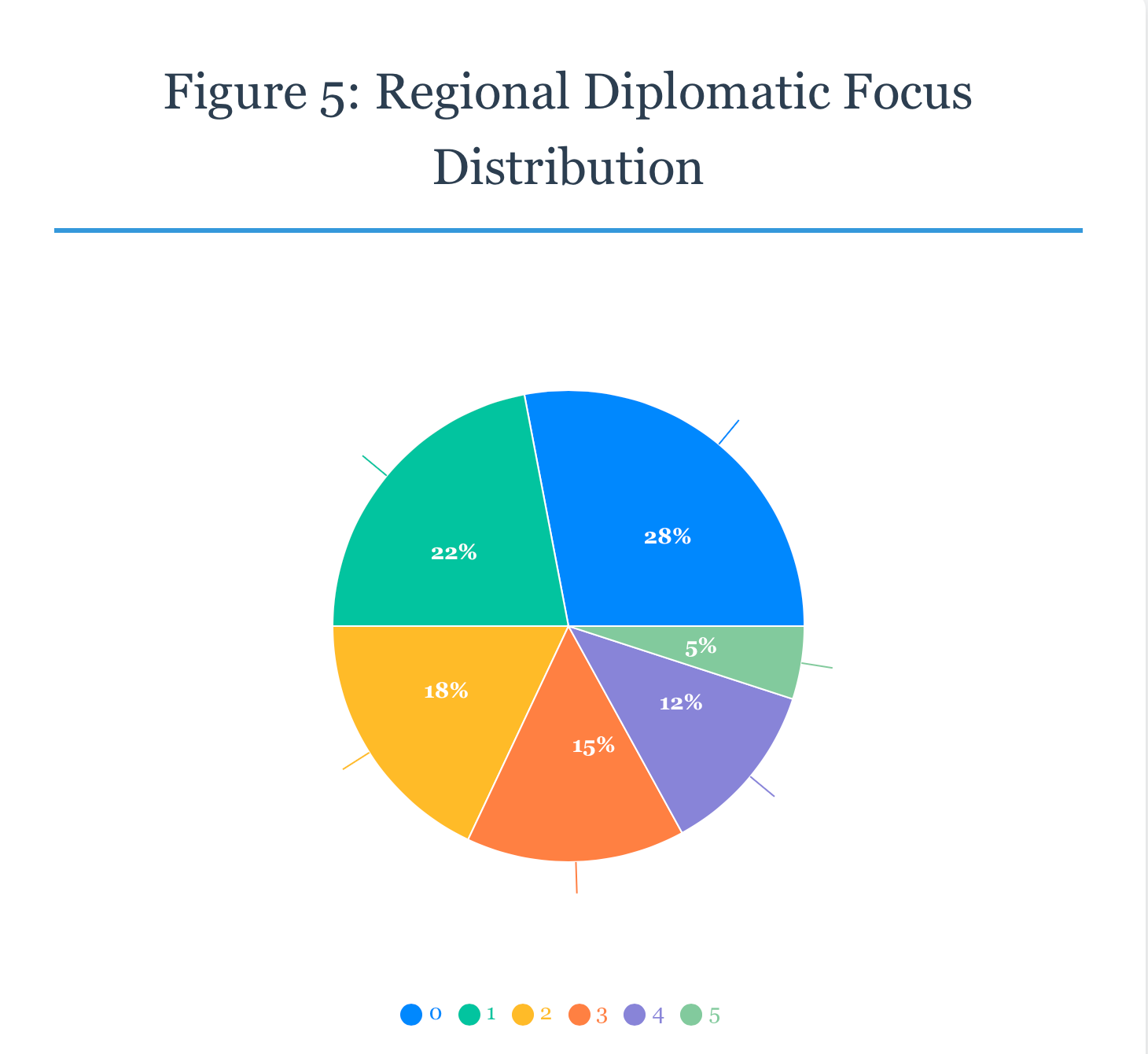
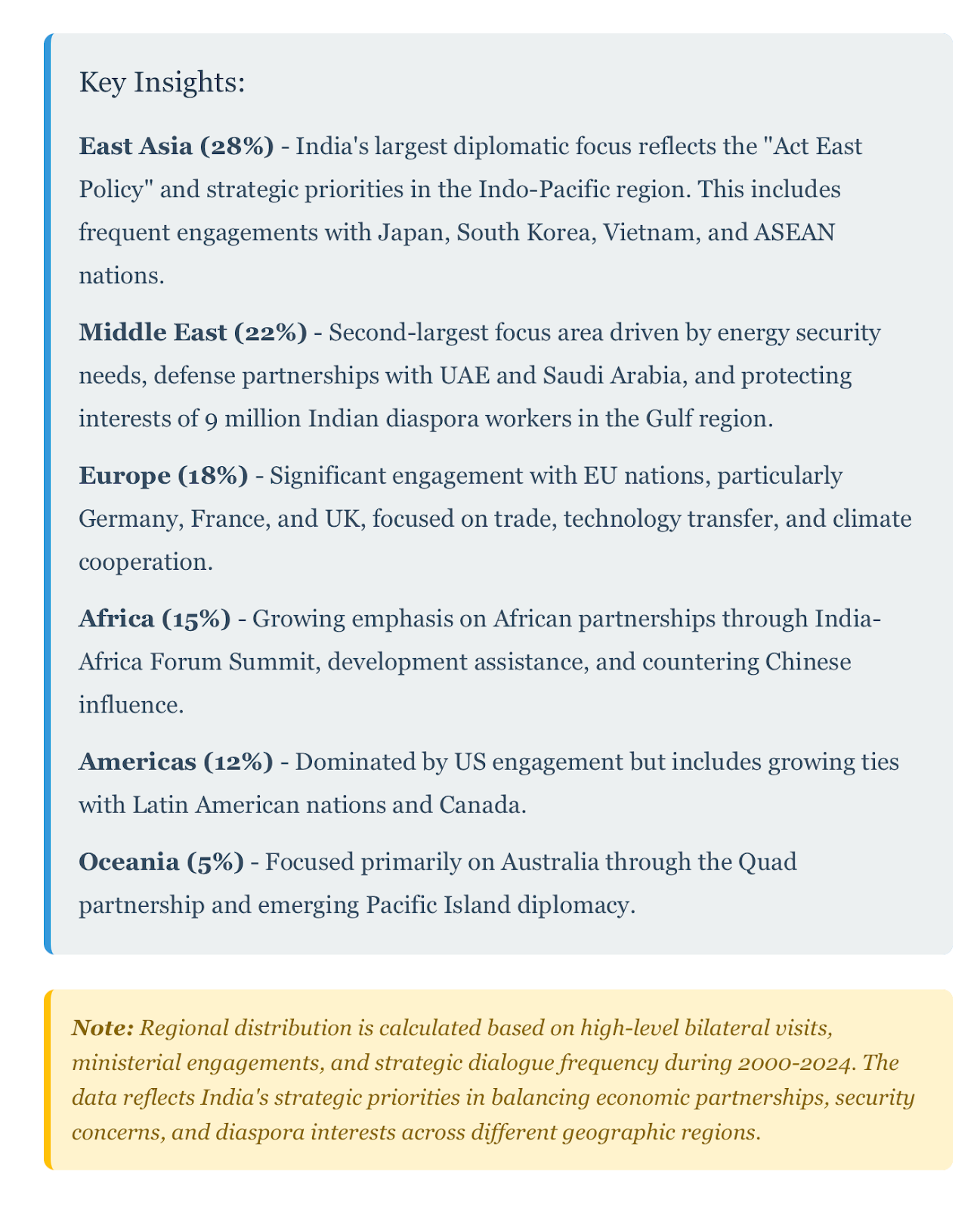
Through this quantitative analysis, we can derive a few important findings. First, India’s engagement in diplomacy exhibits strategic prioritisation rather than random distribution. The concentration of visits to the U.S., Japan and the U.A.E. reinforces the fact that security partnerships, economic cooperation and energy security are the triad of importance for India, respectively. Second, since 2021, as evidenced by the number of trade agreements signed between India and various countries, it is clear that India has developed a degree of confidence in its ability to leverage its size and potential as a marketplace as a tool for diplomacy.
India’s ability to remain relevant in multilateral forums comes from the fact that India positions itself as a bridge between developed countries and developing countries. In contrast to China’s frequently adversarial view towards Western institutions and smaller developing nations that have limited influence, India occupies a unique middle ground, and its position as the president of G20 is a perfect example of this bridge-building capability. It was as G20 president that India was able to successfully achieve consensus on every issue that was viewed by many as being contentious, while at the same time addressing the issues raised by those in the Global South.
Looking to the future, the data indicates several probable avenues for India. For instance, our data indicates that India will sign between 5 and 7 new major trade agreements by 2027; one of those agreements may be with the European Union and be a game-changing accord. Much like the process of becoming a permanent member of the United Nations Security Council will require continuous diplomatic outreach by way of numerous different forums, the amount of multilateral activity in which India engages will most likely increase. In addition, the expansion of BRICS to include additional member states provides an opportunity to increase South-South collaboration. However, BRICS will also bring along a level of difficulty in managing the different interests of the BRICS member states, most notably with respect to China.
Conclusion: Numbers Tell the Story
India has undergone a substantial change in its foreign relations over the last two decades, as evidenced by a number of facts. On average, there were about 45 visits by heads of state in the early 2000s, compared to more than 100 by 2020; there were three trade agreements in India’s first five years of independence, whereas there are now eight (and counting); and India has gone from a fringe participant in multilateral forums to the holder of the G20 presidency.
In addition, these numbers correspond with a tremendous increase in qualitative measures. For instance, trade has increased by ten times since 2000; India has established strategic partnerships with all of the major powers; India has attained leadership positions in all of the key multilateral forums; and India possesses a very considerable increase in the ability to influence global events.
Despite this growth, there are still some problems to resolve. The gap between diplomatic promises and actual implementation remains a significant obstacle. Moreover, India lacks the internal resources to carry out all of these negotiations at the same time. Additionally, Indian Representatives must display substantial diplomatic ability and judgment when trying to achieve competing goals at various multilateral fora. The coming decade is critical for India as it strives to expand its influence and leadership around the world. The figures indicate that India is moving in a favourable direction, but the success of India’s continuing growth will depend on India’s ability to make its various quantitative advances into long-term strategic benefits for itself.
Data Sources:
- Ministry of External Affairs (Government of India)
- Statista Global Database
- Department of Commerce Annual Reports
- BRICS Official Documentation
- G20 Secretariat Records
- World Trade Organisation Statistics

Divyanka Tandon holds an M.Tech in Data Analytics from BITS Pilani. With a strong foundation in technology and data interpretation, her work focuses on geopolitical risk analysis and writing articles that make sense of global and national data, trends, and their underlying causes. Views expressed are the author’s own.
 Pranav S
  Ajith Shetty Heranje
  Atri Patel