
|
Getting your Trinity Audio player ready...
|
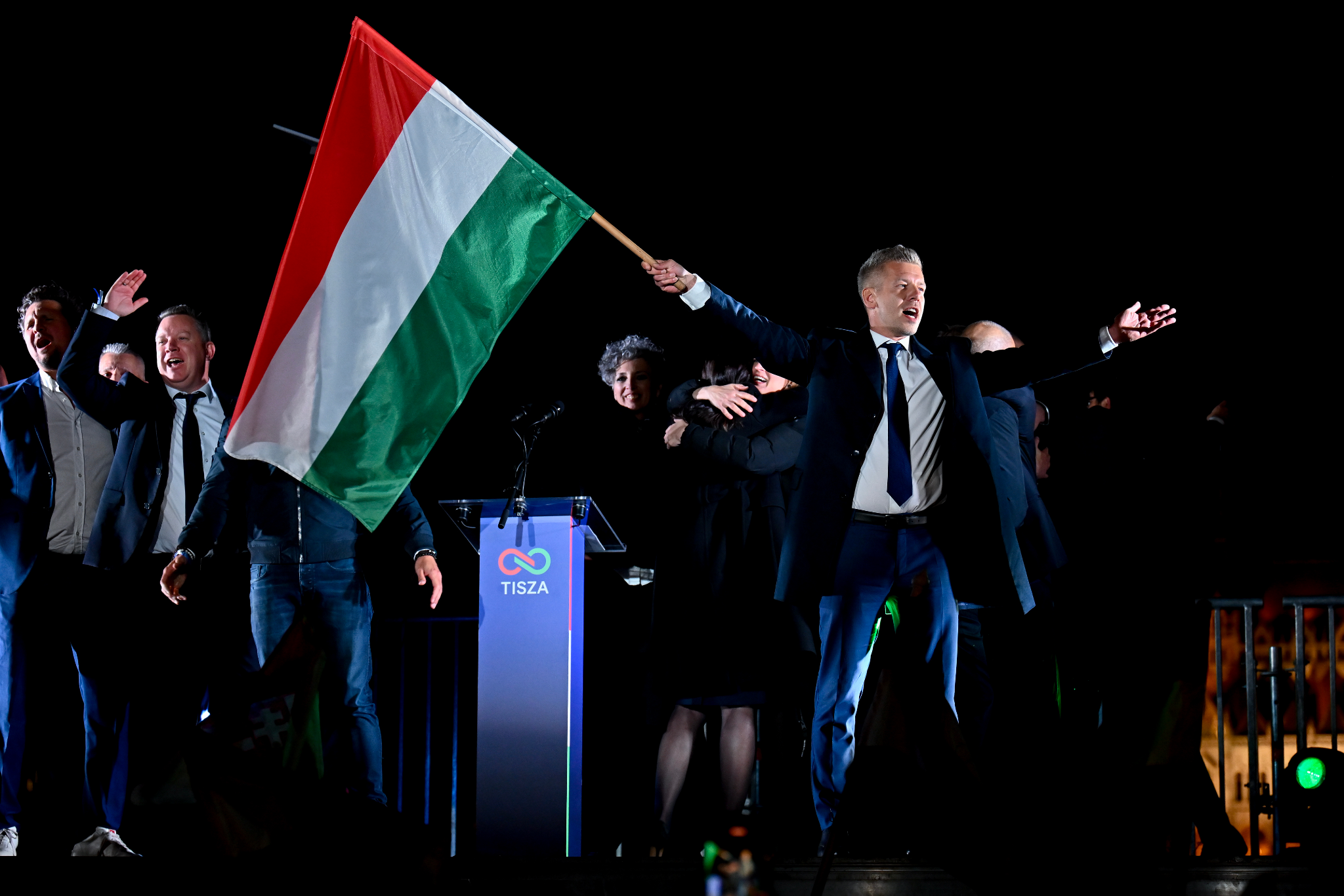
- A fundamental geopolitical change with far-reaching consequences for Europe and beyond, as well as a home one, is represented by Magyar’s constitutional majority.
- Hungary’s reputation as a disruptive, quasi-aligned actor within Western institutions was strengthened by its close relationships with leaders such as Vladimir Putin and Donald Trump.
- The outcome could change Hungary’s position within the EU from a spoiler to a constructive partner, influencing the destiny of Europe as a whole.
Viktor Orbán’s 16-year firm-handed reign ended with a resounding victory for Péter Magyar and his Tisza party in the 2026 Hungarian election, marking a turning point in European politics. A fundamental geopolitical change with far-reaching consequences for Europe and beyond, as well as a home one, is represented by Magyar’s constitutional majority.
From an international relations standpoint, Hungary’s long-standing illiberal and sovereigntist course may be reversed. Hungary frequently positioned itself as a competitor within the EU under Orbán, opposing collective decisions, particularly those about assistance for Ukraine and sanctions against Russia. Hungary’s reputation as a disruptive, quasi-aligned actor within Western institutions was strengthened by its close relationships with leaders such as Vladimir Putin and Donald Trump.
Thus, the victory of Magyar is seen as a shift in favour of liberal institutionalism. His pledge to unfreeze frozen funds, improve cooperation with Ukraine, and mend ties with the EU raises the possibility that Hungary may reintegrate more fully into the European mainstream. Early responses from EU leaders, including Ursula von der Leyen and Emmanuel Macron, show hope that Hungary would now more closely align with common European principles, including collective security and the rule of law.
Additionally, the election highlights important ideas of the balance of power and reality. By interacting with both Russia and the West and utilising geopolitical stance and energy reliance, Orbán’s Hungary was able to maintain strategic ambiguity. The regional balance may shift farther away from Russian influence in Central Europe as a result of Magyar’s signals of disengagement from Moscow. This change could lessen internal veto points that previously hindered the implementation of policy, strengthening the EU’s unity and its position on the Ukraine issue.
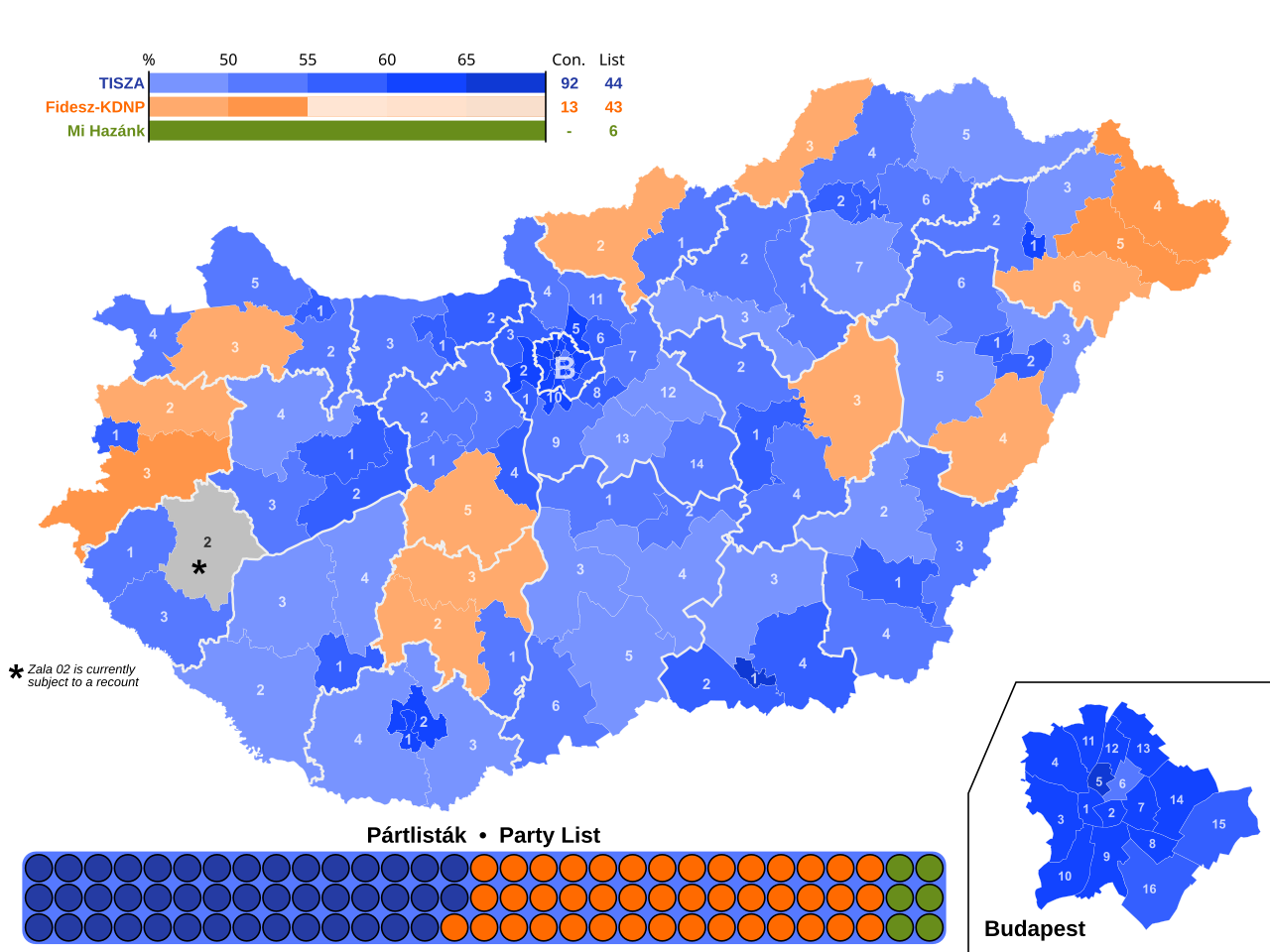
The outcome also shows how domestic legitimacy affects international policy. By connecting internal governance shortcomings to Hungary’s isolation, Magyar mobilised significant popular discontent over corruption, economic stagnation, and elite patronage (NER system). Strong political capital is available to undertake both internal reforms and international realignment because of his overwhelming mandate and unprecedented voter turnout.
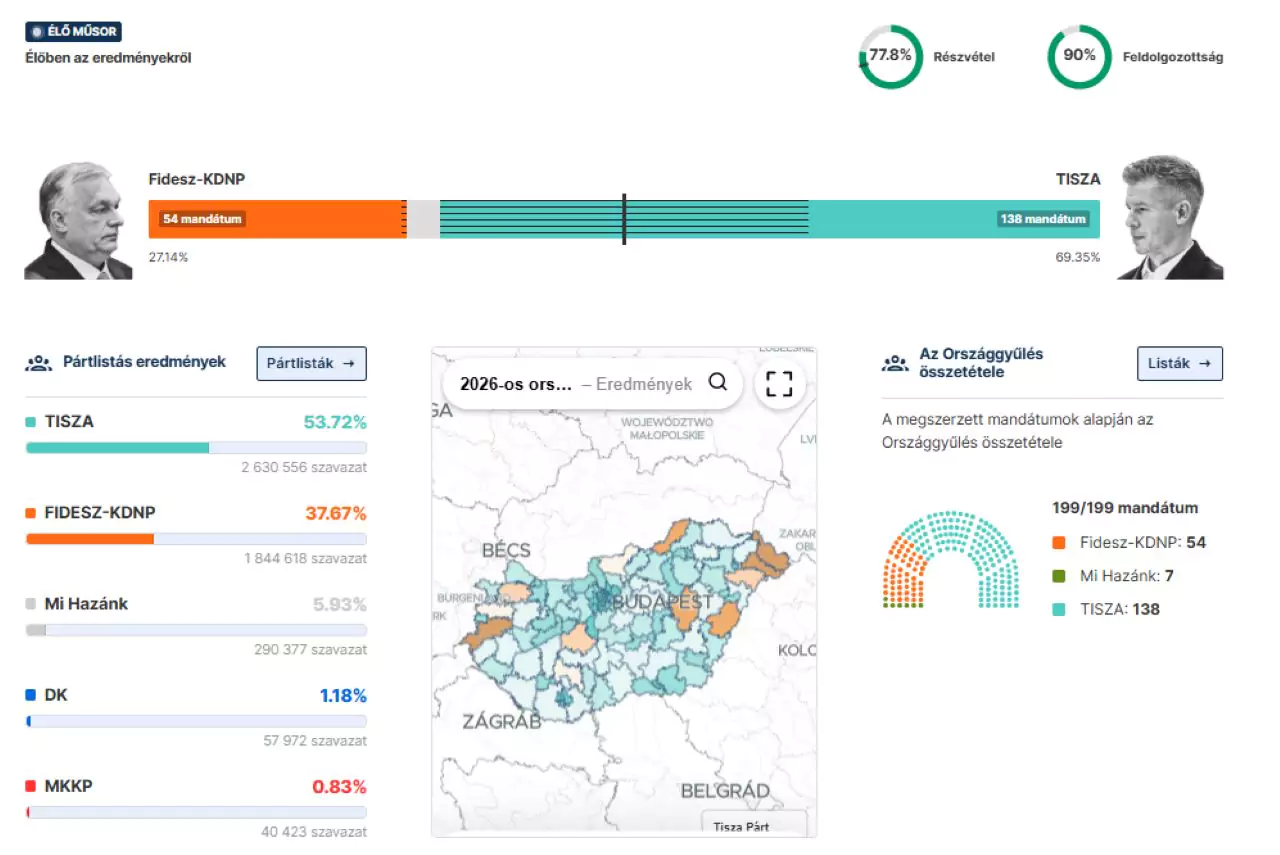
But there are still difficulties. Even with a two-thirds majority, reversing institutional reforms from the Orbán era will be difficult. Furthermore, Hungary’s economic links to Russia, especially in the energy sector, cannot be cut off overnight, suggesting a gradual rather than an abrupt change in foreign policy. While continuous interaction is probably motivated by pragmatic objectives, Moscow’s cautious attitude emphasises a wait-and-watch strategy.
Additionally, the fallout has wider ramifications for Europe’s democratic endurance. Orbán’s defeat may act as a counterbalance to the emergence of illiberal and populist regimes, demonstrating that political processes are still capable of bringing about regime change in spite of systemic biases. It might give opposition movements in other nations experiencing democratic regression more confidence.
In conclusion, the election in Hungary in 2026 represents a pivotal point in European geopolitics as well as a national political transformation. The outcome could change Hungary’s position within the EU from a spoiler to a constructive partner, influencing the destiny of Europe as a whole. It illustrates the interaction between internal politics and international alignment.

Anjali Singh is a postgraduate student of Political Science and International Relations, a Social Media Analyst, and a former Research Intern at the Indian Council of World Affairs. Views expressed are the author’s own.
 Aayush Pal
  Diksha Bharti