- This trip is no longer a mere act of courtesy but shows New Delhi’s attempts to balance strategic cooperation, economic benefits, and the role of India as a major representative of the Global South.
- Despite this, Slovakia’s favourable geographical location within the EU has prompted India to strengthen its relations, especially after they have been elevated to a Comprehensive Partnership.
- The visit reflects a larger foreign policy vision – one that combines realism and cooperation, strengthens partnerships and positions India as a key player in a multipolar world.
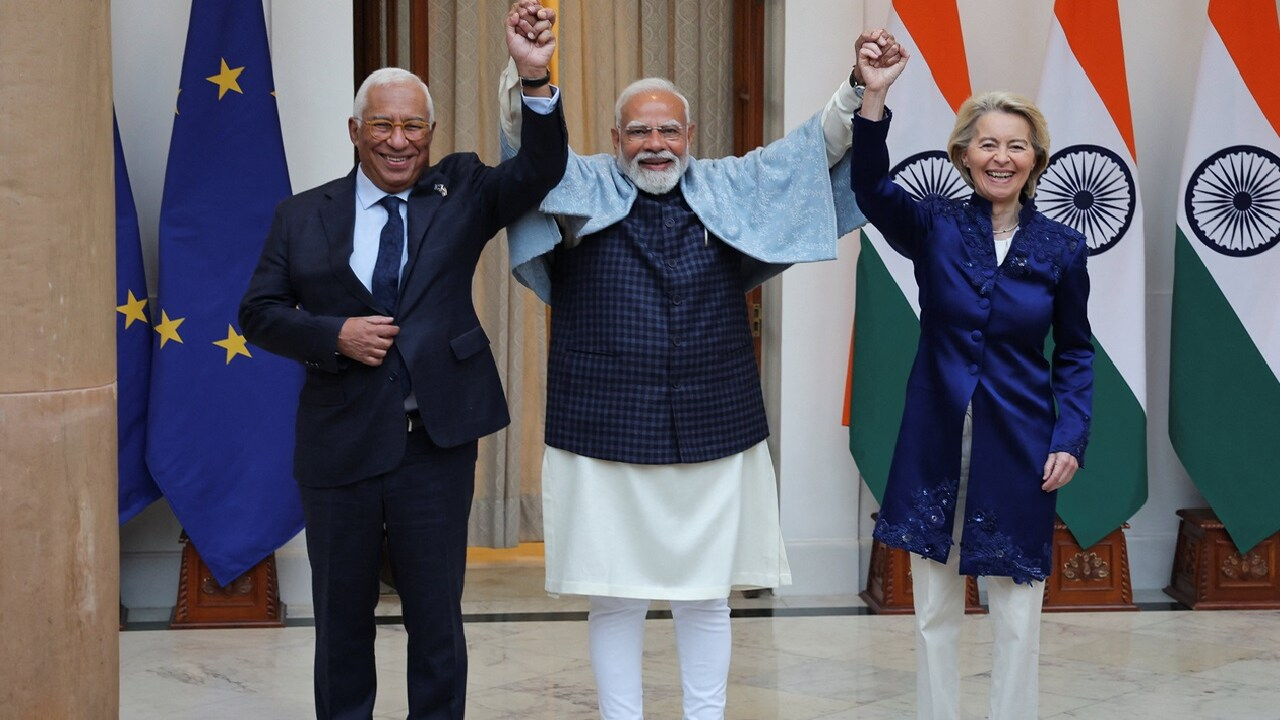
On the sidelines of the G7 outreach, the visit of the Indian Prime Minister, Narendra Modi, to France and Slovakia also stands out as another important political move for India in international politics. This trip is no longer a mere act of courtesy but shows New Delhi’s attempts to balance strategic cooperation, economic benefits, and the role of India as a major representative of the Global South.
As for the talks in France, there is little doubt that India and France have developed strong relations, which have become a priority for India’s foreign policy in Europe. Moreover, as far as relations between these two countries can be characterised by the presence of both liberal institutionalism and realism, they cover such important topics as defence cooperation, technologies, and trade.
From the perspective of international relations, the partnership illustrates the ways states combine cooperation with strategic caution. While India views France as an important partner in the Indo-Pacific region, for France, India acts as the key bridge to Europe and an important partner when it comes to preserving strategic autonomy. It is particularly relevant considering the evolving nature of international politics and the increasing emphasis on supply chains and technology independence.
PM Modi’s presence in the G7 outreach sessions further bolsters the image of India as a global power. India is acting as a connecting link between the developed and developing worlds, interacting with the big economies and other invited countries. By championing governance that includes all and underlining the concerns of the Global South, India is improving its reputation as a responsible stakeholder on the world stage. On the other hand, conversations about energy security and geopolitics emphasise realist perspectives, where national interests and economic stability continue to play an important role.
The second aspect of the visit to Slovakia is related to the widening of India’s foreign policy to include cooperation with Central and Eastern Europe, which have not been traditional partners of India until now. Despite this, Slovakia’s favourable geographical location within the EU has prompted India to strengthen its relations, especially after they have been elevated to a Comprehensive Partnership and numerous agreements have been signed in the spheres of defence, technological cooperation, and mobility of workers.
Moreover, such strengthening of relations fits into the context of India’s efforts towards signing a Free Trade Agreement with the European Union.
Strategically, the visit underscores India’s shift towards multi-layered engagement where economic, technological and security interests are increasingly converging. Cooperation on critical minerals, emerging technologies and defence production signals a forward-looking approach to reducing dependencies and increasing resilience in a fragmented global order.
PM Modi’s visit is, in the end, a signal of India’s wish to play a more assertive role in shaping global narratives. India is increasing its diplomatic outreach while maintaining strategic autonomy in its dealings with Western powers and smaller European states. The visit reflects a larger foreign policy vision – one that combines realism and cooperation, strengthens partnerships and positions India as a key player in a multipolar world.

Anjali Singh is a postgraduate student of Political Science and International Relations, a Social Media Analyst, and a former Research Intern at the Indian Council of World Affairs. Views expressed are the author’s own.
 Archita Gaur