
|
Getting your Trinity Audio player ready...
|
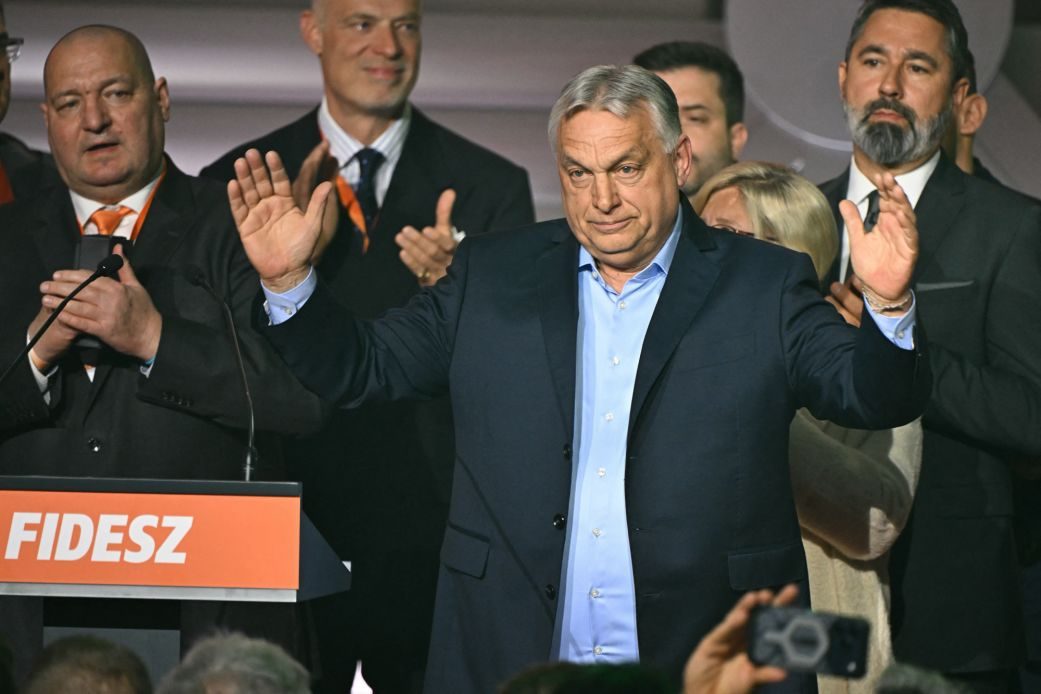
- The results are a massive setback for Viktor Orban, who was widely considered one of the strongest far-right leaders in Europe, and arguably across the world.
- Voters began questioning whether focusing only on anti-immigration rhetoric and anti-EU politics was enough, while economic concerns remained unaddressed.
- Magyar formed the party in 2024 after breaking away from Orban and focused his campaign on domestic issues such as economic improvement, infrastructure development, and public welfare.
In a shocking election that has taken Europe by storm, Hungarian Prime Minister Viktor Orban has lost the prime ministerial election after being in power for 16 years. It is a massive setback for Viktor Orban, who was widely considered one of the strongest far-right leaders in Europe, and arguably across the world.
Such was his influence that he was often seen as one of President Trump’s favourite leaders. President Trump had openly praised him in the past and even visited Hungary to support him. This time as well, he sent Vice President JD Vance to campaign in Hungary. There was a clear ideological alignment between President Trump and Prime Minister Orban, especially on issues like controlling migration, opposing the European Union’s policies, and preserving Hungary’s national identity.
However, this election result suggests that his model has failed to convince voters. Once considered a strongman who could stand up to the European Union, Orban has now been defeated by one of his own former loyalists, Peter Magyar of the Tisza Party. Magyar formed the party in 2024 after breaking away from Orban and focused his campaign on domestic issues such as economic improvement, infrastructure development, and public welfare.
This shift in voter preference reflects growing dissatisfaction within Hungary. Despite strong leadership, Hungary remains one of the poorer countries in the European Union and has faced high inflation in recent years. Voters began questioning whether focusing only on anti-immigration rhetoric and anti-EU politics was enough, while economic concerns remained unaddressed.
Magyar’s party has reportedly secured a two-thirds majority, which could have major political and strategic implications. This election could mark a turning point in Hungary’s relationship with the European Union.
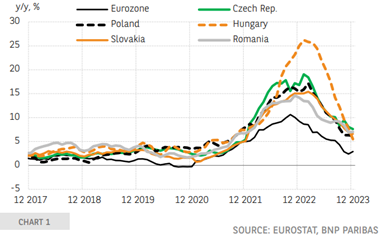
The Hungarian economy suffered from inflation amounting to 25.2% in March 2023, while the European average was 6.9%, according to Trading Economics.
Orban’s controversial relationship with Europe
Viktor Orban had been a consistent critic of the European Union. He opposed its support for Ukraine, arguing that the EU was wasting resources instead of focusing on its own economy and strategic autonomy. He also criticised what he described as Europe’s growing issues with mass migration and “wokeism.”
His criticism intensified after 2022, when the European Union significantly increased its support for Ukraine. Orban questioned why Europe should invest heavily in Ukraine, which he described as a corrupt and unstable country, instead of strengthening its own military and economy. He also opposed the recent €90 billion financial package for Ukraine, which Hungary attempted to block.
Relations between Hungary and the EU leadership had deteriorated significantly. European Commission President Ursula von der Leyen openly criticised Orban. Ukrainian President Volodymyr Zelenskyy also engaged in direct criticism, leading to sharp exchanges between the two leaders.
Now, with the change in leadership, this dynamic is expected to shift. Peter Magyar has made it clear that Hungary will look westward and strengthen its engagement with European institutions. He has emphasised that Hungary is an important member of the European bloc and will act accordingly. This is likely to be seen as positive news for Ukraine, as Hungary may now align more closely with broader European policies.
Hungry’s Relationship with Russia
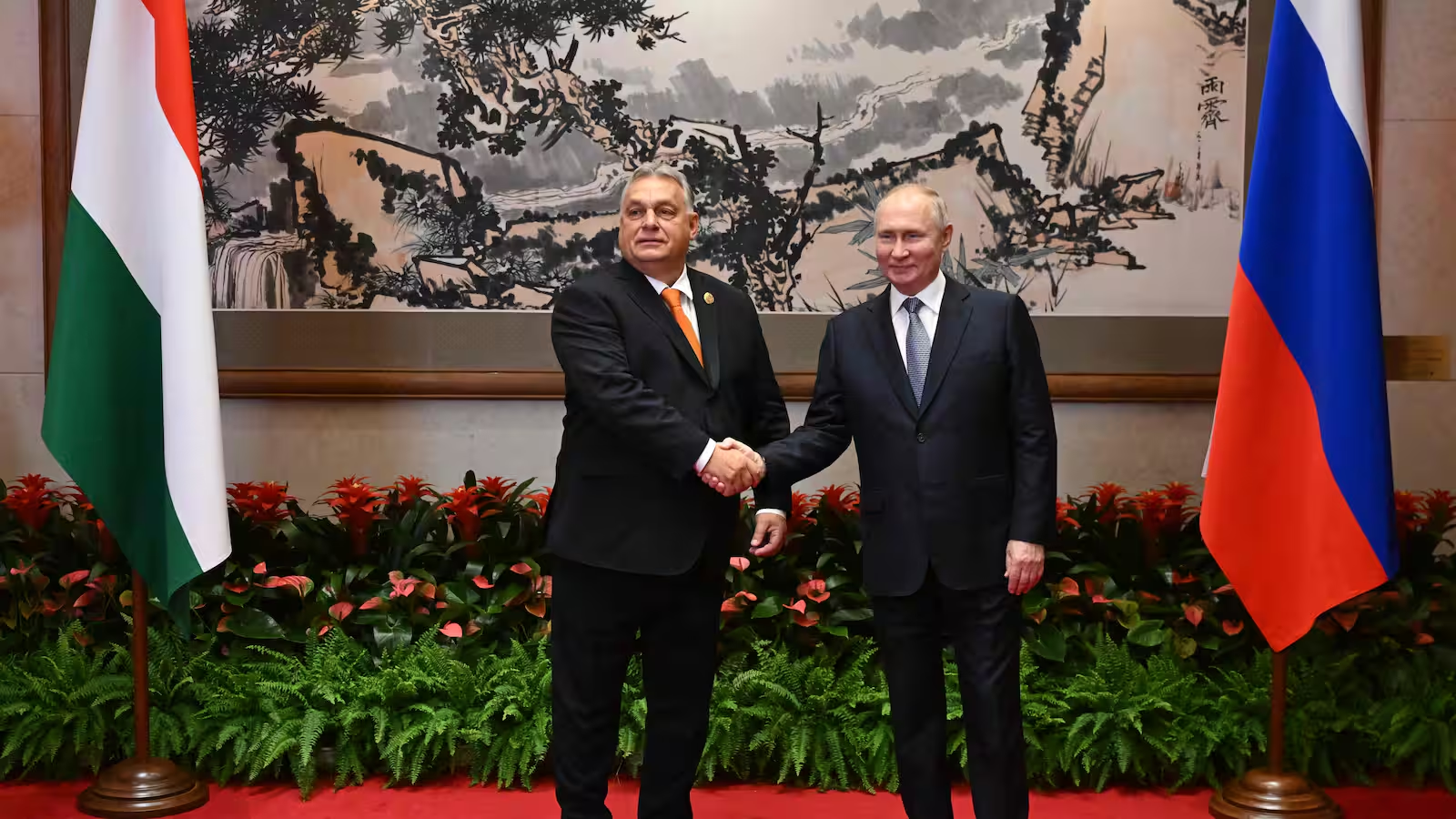
Another important aspect is Hungary’s relationship with Russia. Despite Hungary’s historical experience with the Soviet Union, Orban maintained relatively close and pragmatic ties with Russia, particularly in the energy sector. This approach was often criticised within Europe, with some accusing him of being too close to the Kremlin.
However, Orban defended this as a strategic necessity, given Hungary’s dependence on Russian energy. This relationship also caused tensions with Ukraine, especially after incidents involving gas pipelines. Hungary even accused Ukraine of targeting energy infrastructure, leading to diplomatic tensions.
Looking ahead, Peter Magyar has indicated that geography cannot be changed, and Hungary will continue to engage with Russia pragmatically. As a landlocked country, Hungary is expected to maintain its energy relations. Therefore, while political alignment with the European Union may improve, a complete shift in energy or migration policy is unlikely.
What is clear, however, is that the new Hungarian leadership will seek to reset relations with the European Union, marking a significant shift in the country’s foreign and domestic policy direction.

Aayush Pal is a freelance writer on contemporary geopolitical developments. The views expressed in his work are entirely his own.
 Pranav S