
- If the Houthis gain a greater presence in western Yemen, near Saudi Arabia and the western part of the Red Sea, this would very much threaten Saudi Arabia’s alternative route.
- The first thing that particularly comes up is that the Houthi rise in Yemen greatly showcases one thing: the American aerial operations against the Houthis have fundamentally failed.
- This is not just a political isolation for the Saudi leadership, but it also raises a major question about the effectiveness of the Makkah alliance.
- Therefore, a stronger Houthi presence around the Red Sea is not just a Saudi Arabian problem; it is a global problem.
West Asia, a region that has been disturbed by continuous geopolitical instability, has one country that has seen decades of destruction, killings, instability and a complete paralysis of the state, resulting in a mass exodus of people from the region. Yemen has been known for all of this, but this does not necessarily reduce the greater geopolitical significance that this small, war-torn nation has. Rather, Yemen has become a geopolitical tool for regional countries. The utility and interest in this small, war-prone country are not limited to the Gulf countries but extend to the international level as well. The question that comes up is: what is so special about a smaller country which has become a new pariah, and why does every succession of war break out in this country?
The Houthi Resurgence and the Red Sea
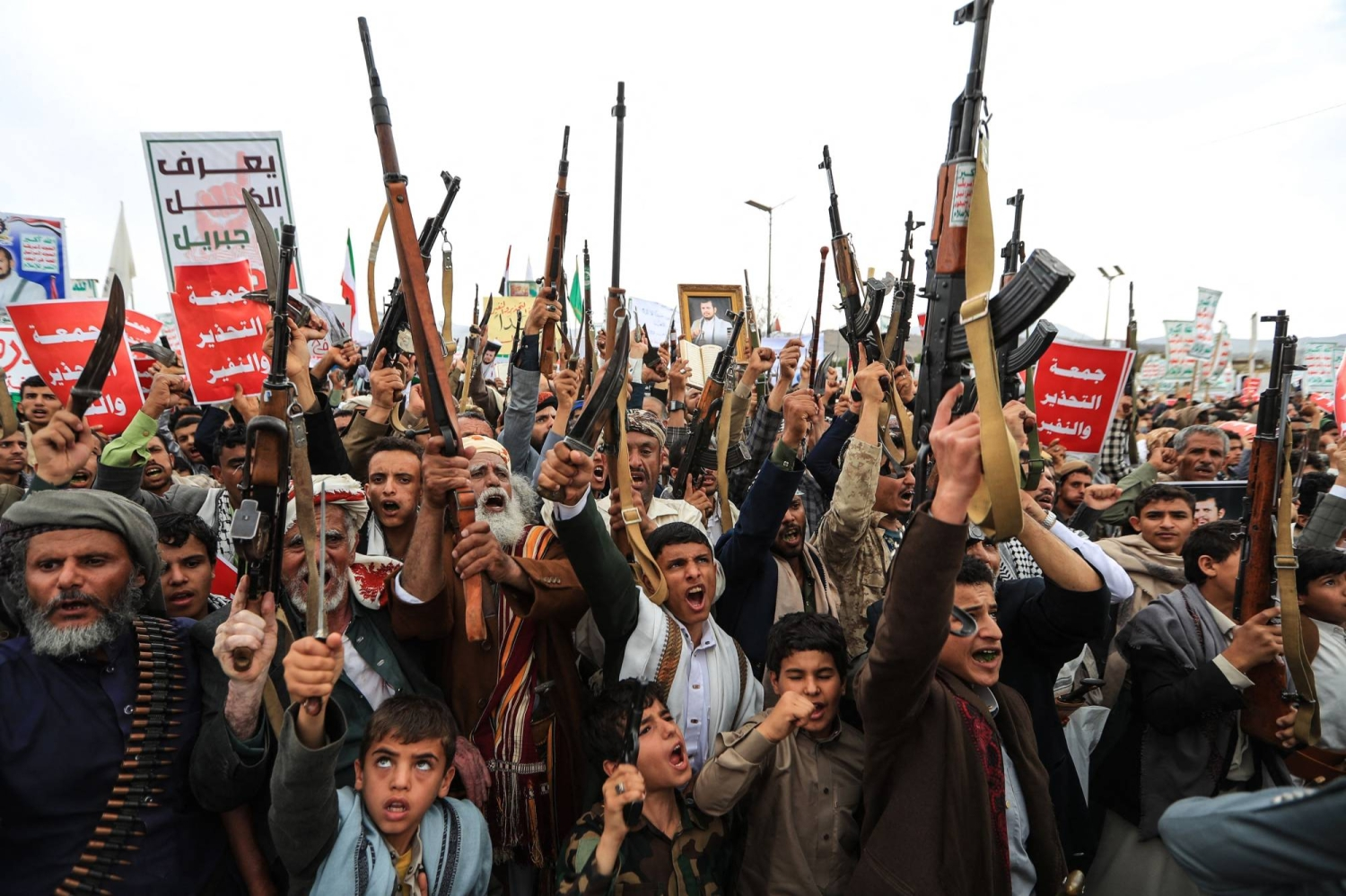
To start with, this time it is again the Iranian-backed proxy, the Houthis, who consider themselves to be the predominant force in Yemen, fighting against the Saudi-backed forces in the region. Interestingly, the Houthis have been gaining systematic momentum and strategic presence in the western part of Yemen, situated in close proximity to the Red Sea. There have been systematic gains by the Houthis around the port of Mocha, which is a strategic port situated near the Red Sea. This poses a significant challenge to Saudi Arabia because the Houthis have been a troublesome actor around the Bab el-Mandeb Strait for years and have repeatedly tried to create challenges in this strategically important waterway. This becomes a greater challenge for Saudi Arabia because a significant part of its economic engagement happens through the Red Sea. More importantly, since the Iranian war, when Iran heavily targeted Saudi Arabian energy facilities situated in the eastern part of the country, Saudi Arabia has faced greater problems in its energy sector. Because of this, Saudi Arabia has been forced to use its East-West oil pipeline and send its oil from the eastern part of the country towards the western part to avoid coming into direct conflict with Iran. Now, if the Houthis gain a greater presence in western Yemen, near Saudi Arabia and the western part of the Red Sea, this would very much threaten Saudi Arabia’s alternative route. More importantly, it would create an additional challenge for the Saudi Arabian economy, which has already suffered significant damage amid the ongoing Iranian war.
Why Are the Houthis Resurging?
The question that comes up is: what has happened to the Houthis, what are the reasons behind their resurgence in Yemen, and have the years of bombardment under US operations against the Houthis in Yemen been unsuccessful? This is a very big question that comes up. The first thing that particularly comes up is that the Houthi rise in Yemen greatly showcases one thing: the American aerial operations against the Houthis have fundamentally failed. Years of continuous aerial bombardment against the Houthis in Yemen have not produced the desired result. Instead, it has only increased the deterrence of the Houthis, and more importantly, over the years, their military capabilities in terms of ballistic missiles and offensive weapons have only increased. The second big thing that has happened is that when the United Arab Emirates-backed proxy, the Southern Transitional Council, was weakened and eventually left the field following the UAE’s exit from Yemen earlier this year, the Saudi-backed forces, particularly the internationally recognised Yemeni government, gained major ground. This very much kept the Houthis in relative isolation and gave them time to rejuvenate themselves militarily and strategically. This is something that is particularly being seen now, when the Houthis have recently launched a campaign against Saudi-backed forces. This resurgence has created a major security problem for Saudi Arabia.
Saudi Arabia’s Strategic Conundrum
It is a security problem, but it is also an economic problem for Saudi Arabia. If the Houthis continue to gain ground across Yemen, Saudi Arabia could increasingly come onto the radar of the Houthis. This is leading to a greater strategic conundrum for Saudi Crown Prince Mohammed bin Salman. In an attempt to strengthen deterrence in the region, Saudi Arabia and its partners formed the Makkah Pact last month, which made it clear that an attack on one of the countries would be considered an attack on all. But the other 2 partners of the agreement, Pakistan and Turkey, are nowhere to be seen when the Houthis are gaining ground in Yemen and when the Houthis have increasingly targeted Saudi Arabia. This is not just a political isolation for the Saudi leadership, but it also raises a major question over the effectiveness of the Makkah alliance. It would be correct to say that the alliance appears to have been weakened even before it could properly get started.
This has also put Saudi Arabia’s other friends under a greater challenge. If Saudi Arabia calls the United States of America for assistance, it risks inviting further offensives from Iran and its proxies, including the Houthis. This is something that has put Saudi Arabia into a greater strategic dilemma. The other help that Saudi Arabia has asked for is also not clearly visible, while the traditional ally that Saudi Arabia has depended on for years has been the United Arab Emirates. But the UAE currently shares significant differences with Saudi Arabia. Both countries have differences in Yemen, differences in the Gulf and competing interests regarding the wider geopolitical order of the Arabian Peninsula.
Yemen’s Wider Geopolitical Significance
Therefore, the Houthi rise in Yemen is not just a security question for Saudi Arabia. It is a question of alliances and one of the bigger geopolitical challenges for the Saudi Crown Prince. More importantly, it now tells us about the importance and complicated dynamics of the overall West Asian region. Although the rise of the Houthis in the long run would not just affect the Saudi Arabian economy, it could have consequences far beyond Saudi Arabia. At a time when the Strait of Hormuz has been severely disrupted and another major strategic waterway is the Red Sea, any further Houthi gains around the Red Sea would not be good news for global navigation and international trade. The Bab el-Mandeb is one of the world’s most important maritime chokepoints, connecting the Red Sea with the Gulf of Aden and the wider Indian Ocean. Therefore, a stronger Houthi presence around the Red Sea is not just a Saudi Arabian problem; it is a global problem.
This is something Saudi Arabia would like to highlight, garner international trust and ask countries to rally around it. The bigger question, however, is whether Saudi Arabia can actually build such a coalition when its own regional alliances are facing differences and when any direct escalation against the Houthis could potentially widen the already complicated geopolitical conflict across West Asia.

Aayush Pal is a freelance writer on contemporary geopolitical developments. The views expressed in his work are entirely his own.
 Kumar Satish
  Anjali Singh