
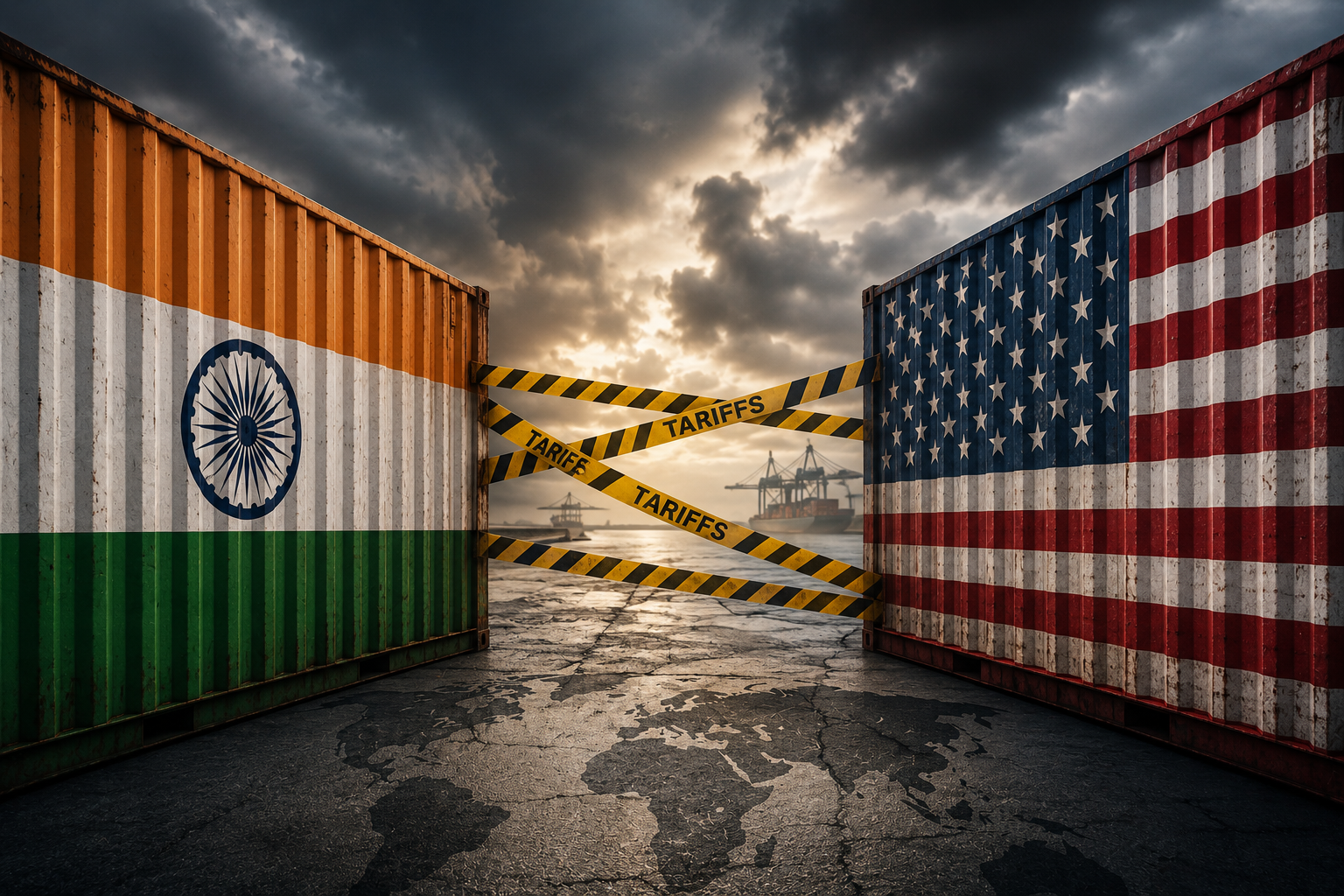
- Since 2008, India’s geopolitical profile has risen in Washington for two primary reasons: India’s massive domestic market and the growth of assertive China in the Indo-Pacific region.
- Geopolitical tensions between India and the United States have resurfaced. India is currently dissatisfied with Washington’s role in India’s neighbourhood.
- Some American scholars say that Washington intends to restrict China’s rise rather than build a new China. It is not going to repeat the mistakes it made with China.
- Washington will not allow India to expand its market and compete with the United States in the economic realm.
- India requires a realistic policy to cope with the United States. India might take two approaches: in the short term, it needs to keep its alliance alive while also establishing red lines with the United States.
Despite their common traditions of constitutional and liberal democracy, as well as civic nationalism, India and the United States have never had close bilateral relations in the past. Since 2008, India’s geopolitical profile has risen in Washington for two primary reasons: India’s massive domestic market and the growth of assertive China in the Indo-Pacific region. During this time, all of the US presidents sought to strengthen their engagement with India on geoeconomic and geopolitical issues. This partnership was shown by many agreements, such as GSOMIA (2002), LEMOA (2016), COMCASA (2018), and BECA (2020). Analysts portrayed this development as the most significant geopolitical shift, potentially paving the way for a new Asian alliance.
However, geopolitical tensions between India and the United States have resurfaced. India is currently dissatisfied with Washington’s role in India’s neighbourhood. The US hailed the government change in Bangladesh, but New Delhi was concerned that it would reignite religious radicalism in the region. The United States didn’t share New Delhi’s worry over the political situation in Myanmar. Most crucially, Washington is increasing its geostrategic collaboration with Pakistan on the Iran situation, which has boosted Pakistan’s diplomatic standing.
The United States has recently been particularly inconsiderate of India’s sensibilities. This is obvious in a recent event near the Strait of Hormuz. The US Marines assaulted many ships passing through the area. One of them was the MT Settebello, an oil tanker from India that sank as a result of the attack. The attack resulted in the deaths of three Indian sailors, while one man died of medical difficulties on his own. India expressed its displeasure to the American ambassador in India, but the US Secretary of State responded that the US would not accept the unlawful transfer of Iranian oil. This incident was linked to the US bombing of the Chinese embassy in Belgrade in 1999. China successfully obtained a public apology and financial reparations from the United States, but India did not receive similar concessions.
So, this is the present state of India’s relationship with the United States. There are two key reasons for India’s current situation. The first is the maverick approach of US President Donald Trump toward both allies and foes of Washington. This has been the case for Canada, Italy, and France. India has also suffered as a result of the US’s unpredictable foreign policy. The second issue is the economy, which proved to be a source of significant variations between the two countries. This article will primarily focus on it.
Washington is looking for a new trade deal and does not want a new China
It is vital to remember that the growth of China in Asia was the catalyst that drew India and China closer together. It continues to play an essential role in the two countries’ bilateral relationship. Both parties continue to see China as a danger to their geopolitical and economic interests. And they don’t want their conflicts to fully overshadow their strategic partnership, which took more than a decade to develop. According to the US Secretary of Defense, India is powerful enough to maintain the balance of power that Washington seeks in the Indo-Pacific. Similarly, the retired US official remarked that while relationships may suffer, they are still better than they were during the Cold War.
Some American scholars say that Washington intends to restrict China’s rise rather than build a new China. It is not going to repeat the mistakes it made with China. Washington will not allow India to expand its market and compete with the United States in the economic realm. New Delhi’s significance in Indo-Pacific security seems contradictory, as it also grapples with a trade issue that requires resolution. The renewal of the trade agreement is viewed as the only possible solution.
After a year of trade tensions, India and the United States are reportedly working to finalise a trade agreement. However, this trade deal is taking place amid a fearful context in New Delhi: first, India’s trade surplus with the US has fallen by 40% in a single year. This occurred as a result of increased imports from the US and decreased exports from India to the US. Right before the Indian Prime Minister’s visit to the United States, New Delhi lowered tariffs on various American items. Second, many kinds of US-imported commodities in India compete with Indian goods, such as electronic components and organic compounds. The farmer issue is the third and most sensitive factor. The import of apples, almonds, and walnuts from America poses issues for Indian farmers.
Conclusion
There may be economic agreements, but it is unclear what the US truly wants from India. This creates an unpleasant situation. The US has only one desire: to reduce its trade imbalance with India. They are using coercive tactics to compel India to participate in the negotiations. India requires a realistic policy to cope with the United States. India might take two approaches: in the short term, it needs to keep its alliance alive while also establishing red lines with the United States. These red lines are required to keep the partnership stable. Second, India must endeavour to reduce its power asymmetry with Washington over the long term. This strategy could enable India to set the terms of its relationship with Washington in the future.
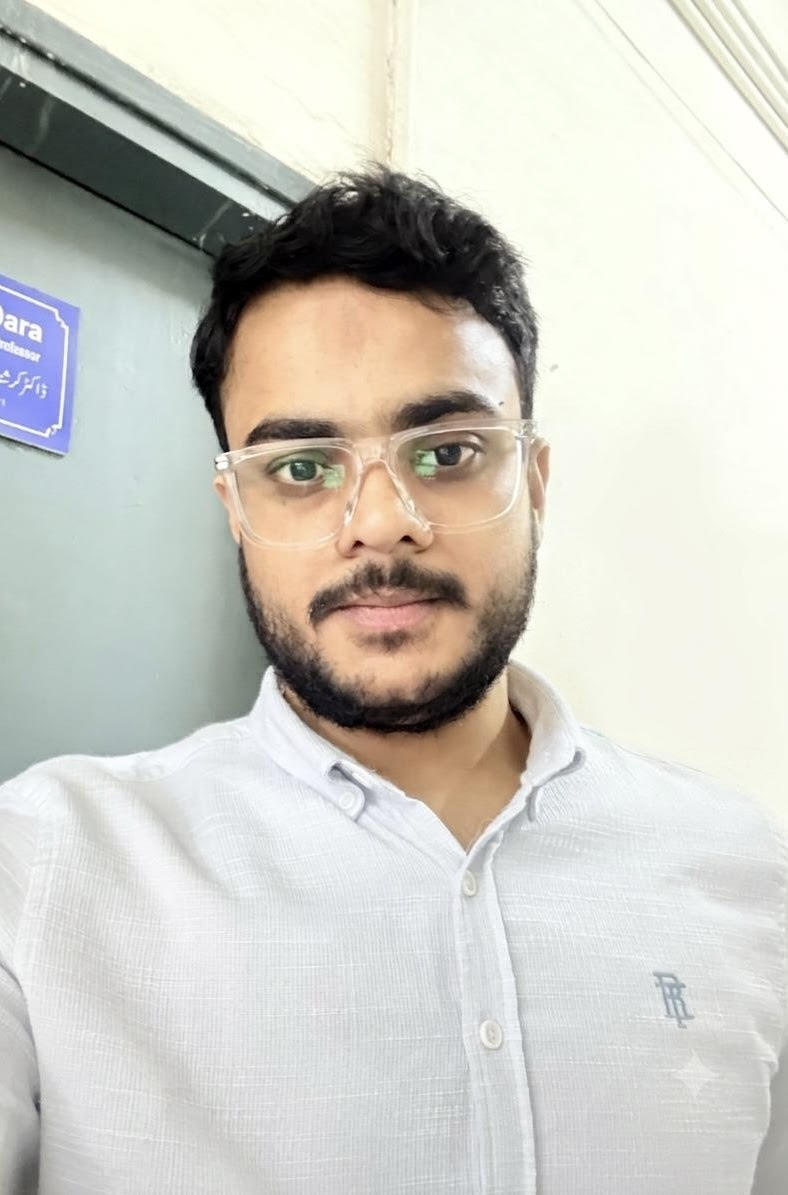
Dr Mohammad Rizwan holds a PhD in political science from Jamia Millia Islamia. His doctoral research focuses on Pakistan’s relations with major global powers. Views expressed are the author’s own.
 Archita Gaur
  Hridbina Chatterjee
  Divyanka Tandon